Your Complete Guide to Vitamin D Blood Testing in the UK
What Makes Vitamin D Blood Testing Essential for Your Health?
Private Vitamin D Blood Test in Epsom: The primary aim of a vitamin D blood test is to accurately measure the level of vitamin D in your bloodstream, which is crucial for maintaining bone health and ensuring a robust immune system. In the UK, numerous individuals face a deficiency, particularly during winter months when sunlight exposure is considerably limited. Consequently, undertaking this test is vital for evaluating your overall health and making informed decisions regarding your wellbeing.
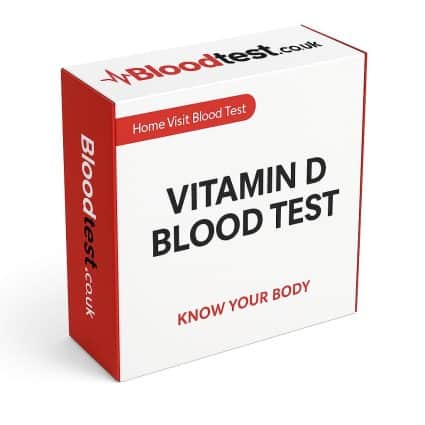

This testing process conforms to NHS guidelines, ensuring patients receive precise results that accurately reflect their vitamin D levels. Given that a substantial portion of the UK population experiences inadequate sunlight exposure during colder months, understanding your vitamin D levels is of paramount importance. Regular testing serves as a proactive measure to prevent long-term health issues associated with vitamin D deficiency.
What Types of Vitamin D Blood Tests Are Commonly Offered?
In the UK, healthcare providers typically offer two primary types of vitamin D blood tests. The most frequently performed assessment centres around 25-hydroxyvitamin D, which is deemed the most reliable indicator of vitamin D status. These tests are particularly recommended for high-risk groups, including older adults, pregnant women, and individuals with specific health conditions, ensuring they receive the essential medical attention in line with British health guidelines.
Healthcare practitioners may also conduct tests for 1,25-dihydroxyvitamin D, although this occurs less often. The focus remains on the 25-hydroxyvitamin D test as it offers a comprehensive overview of an individual’s vitamin D levels. By performing these assessments, healthcare professionals can accurately diagnose deficiencies and suggest appropriate interventions to improve health outcomes.
Essential Preparation Steps for Your Vitamin D Blood Test
Before undergoing a vitamin D blood test in Epsom or any location in the UK, adequate preparation is vital to ensure reliable test results. Here are some important preparation tips to consider:
- Consult with your GP concerning any specific preparations that may be necessary.
- If advised, fasting prior to the test can enhance the accuracy of your results.
- Refrain from taking vitamin D supplements for at least 24 hours before the test.
- Arrange your appointment through local Epsom GP practices for added convenience.
- Wear clothing that permits easy access to your arm for the blood draw.
Adhering to these guidelines aligns with national health standards and guarantees that you obtain the most precise results possible, thereby facilitating improved health management.
How Can You Optimally Prepare for Your Vitamin D Blood Test?
What Specific Preparations Should You Follow Before the Test?
Prior to your vitamin D blood test, it is essential to comply with specific guidelines to ensure the reliability of the results. Start by discussing with your GP about your usual dietary habits and any medications you may currently be taking, as certain medications can influence vitamin D metabolism. This conversation is crucial for establishing a comprehensive understanding of your health background.
If your GP recommends fasting, it is imperative to adhere to this suggestion, as fasting can lead to more accurate test readings. Furthermore, it is beneficial to document any symptoms related to potential vitamin D deficiency, as this information can aid your GP in interpreting your test results. By following these recommendations, you can help ensure precise readings of your vitamin D levels, ultimately resulting in better health outcomes.
What Potential Side Effects Should You Be Aware Of?
While a vitamin D blood test is generally straightforward, some individuals may experience minor discomfort. In UK medical facilities, people might feel slight pain or bruising at the site of the blood draw. These reactions are uncommon and typically resolve swiftly.
If you possess a history of anxiety related to blood tests or have concerns about potential discomfort, it is advisable to inform the medical staff before the procedure. They are equipped to provide reassurance and implement additional measures to facilitate a smoother experience. Being well-prepared and informed can significantly alleviate any anxiety or discomfort associated with the testing process.
What Post-Test Procedures Should You Be Prepared For?
Once you have completed a vitamin D blood test, your samples will be sent to a laboratory for detailed analysis. In the UK, healthcare professionals generally review the results and will discuss them with you during a follow-up appointment. It is essential to pay attention to any follow-up guidance regarding potential deficiencies and to understand the next steps based on your results.
Be proactive in seeking clarification regarding your results, especially if they indicate a deficiency. Your GP will offer guidance on necessary lifestyle changes or supplementation options to increase your vitamin D levels. This proactive approach ensures that you have a thorough understanding of your vitamin D status and the actions needed to enhance your overall health.
How Do Seasonal Changes Affect Vitamin D Levels?
Vitamin D levels can fluctuate significantly with the changing seasons in the UK. During winter months, when sunlight exposure is limited, many individuals may find their vitamin D levels drastically decrease. Scheduling your blood test during this time can be prudent, as it aligns with an increased risk of deficiency.
The NHS advises individuals to evaluate their vitamin D status and, if necessary, plan to have their blood test conducted in winter. By taking this proactive measure, you can ensure that your test results accurately reflect your current health status and facilitate timely interventions if deficiencies are identified. This proactive strategy not only protects your bone health but also enhances your immune function during the colder months.
Expert Insights on Vitamin D Blood Testing in Epsom
What Practical Steps Can You Take for Accurate Testing?
For residents of Epsom, taking actionable steps towards obtaining an accurate vitamin D blood test can significantly influence health outcomes. Start by arranging an appointment at local clinics that comply with NHS standards to guarantee high-quality care. Numerous patients have benefited from the early detection of vitamin D deficiency, enabling timely interventions that improve bone health and overall wellbeing.
Consider sharing your complete medical history with your healthcare provider during your visit, including any prior test results and symptoms you may have experienced. This comprehensive information will help guide their recommendations, ensuring that your medical care is personalised and effective. By actively participating in your healthcare, you increase the likelihood of receiving tailored and impactful care.
Why Is Vitamin D Testing Crucial for At-Risk Groups?
In the UK, testing for vitamin D levels is particularly vital for vulnerable demographics, including older adults, pregnant women, and individuals with pre-existing health conditions. These groups are more susceptible to deficiencies due to various factors such as limited sunlight exposure, dietary restrictions, or underlying health issues.
Experts highlight that seasonal deficiencies significantly impact residents in the UK, making regular testing essential. Health professionals advocate for proactive measures, including increased sun exposure, dietary adjustments, and, when necessary, supplementation to prevent complications. By understanding the unique needs of these at-risk groups, healthcare providers can implement targeted strategies that promote vitamin D health across the population.
How Can You Effectively Interpret Your Test Results?
Grasping the results of your vitamin D blood test is crucial, especially concerning the thresholds established by UK health authorities. Generally, a level of 25-hydroxyvitamin D below 20 ng/mL is classified as deficient, while levels between 20 and 30 ng/mL are often regarded as insufficient. Levels exceeding 30 ng/mL are considered sufficient for optimal health.
Data from UK laboratories indicate that many individuals presenting with symptoms of deficiency may discover their levels fall below the recommended thresholds. Healthcare professionals may suggest appropriate follow-up measures, including lifestyle modifications or vitamin D supplementation, depending on the severity of the deficiency. This informed approach empowers individuals to make educated decisions regarding their health and wellbeing, ensuring that appropriate interventions are undertaken.
What Advantages Does Vitamin D Testing Offer?
How Does Vitamin D Testing Contribute to Overall Health Improvement?
Testing for vitamin D levels is an integral aspect of supporting overall health, particularly within the UK context. Early detection of deficiencies can help avert conditions such as osteoporosis and enhance immune function. When individuals are aware of their vitamin D status, they are better positioned to make informed lifestyle changes that bolster their wellbeing.
Research demonstrates that adequate vitamin D levels contribute not only to bone health but also to mood regulation and cardiovascular wellness. Therefore, regular testing enables proactive health measures, allowing individuals to address deficiencies before they escalate into serious health problems. Such preventive strategies align with the NHS’s commitment to promoting health and wellbeing across the UK population.
What Key Benefits Are Available for Different Age Groups?
The advantages of vitamin D testing are especially pronounced across various age demographics in the UK. For children, maintaining sufficient vitamin D levels is crucial for proper growth and development, helping to prevent conditions like rickets. Testing ensures that children receive the necessary nutrients for optimal health during these formative years.
For older adults, addressing deficiency-related issues can significantly enhance vitality and immune function. Regular testing allows seniors to monitor their vitamin D status and make essential adjustments, thereby supporting their overall health and quality of life. By recognising the specific benefits for each demographic, healthcare providers can tailor their recommendations to ensure everyone receives the necessary care for optimal health.
What Long-Term Health Outcomes Can You Expect from Regular Testing?
Routine testing for vitamin D levels in the UK can lead to substantial long-term health benefits. Individuals who actively monitor their vitamin D levels can anticipate sustained advantages, including increased energy, enhanced mood, and a lower incidence of illness. These benefits are particularly vital, contributing to an improved quality of life and overall wellbeing.
- Improved energy levels for daily activities and tasks.
- Enhanced immune response, thereby reducing the frequency of illnesses.
- Increased bone density, which lowers the risk of osteoporosis.
- Better mood regulation helps alleviate symptoms of anxiety and depression.
By committing to regular testing and subsequent health management, individuals can proactively safeguard their health for years to come.
What Is the Connection Between Vitamin D and Mental Health?
Vitamin D testing in the UK has revealed significant correlations between vitamin D levels and mental health outcomes. Research indicates that individuals with lower vitamin D levels are more susceptible to mood disorders. Addressing deficiencies through testing serves as a proactive measure that may lead to improved mental health outcomes, nurturing emotional resilience and enhancing daily functioning.
As awareness of these connections increases, healthcare providers are increasingly recommending vitamin D testing as part of a comprehensive approach to mental health support. By correcting deficiencies, individuals may observe improvements in mood and cognitive function, ultimately enriching their quality of life.
Research-Backed Strategies for Preventing Vitamin D Deficiency
What Are the Most Effective Methods for Prevention?
Preventing vitamin D deficiency begins with informed strategies based on research conducted in the UK. Experts recommend that individuals maximise their exposure to natural sunlight during warmer months, as this is the most effective means of enhancing vitamin D levels. Dietary modifications can also play a significant role; incorporating foods rich in vitamin D, such as fatty fish, fortified dairy products, and egg yolks, is highly advised.
Additionally, for those who may find it challenging to meet their vitamin D needs through diet and sunlight alone, supplementation can provide a reliable alternative. Consulting healthcare professionals for customised advice on suitable supplement dosages and types is essential to ensure that safe and effective prevention measures are implemented.
Why Is It Important to Monitor Vitamin D Levels Over Time?
Regular testing for vitamin D levels is vital for tracking progress and maintaining optimal health. Monitoring allows individuals to evaluate the effectiveness of their prevention strategies and make necessary modifications. Expert analyses based on UK health data emphasise that consistent testing is crucial for achieving long-term control of deficiencies.
Patients can collaborate with healthcare providers to establish a tailored testing schedule that suits their health needs, ensuring timely interventions to maintain adequate vitamin D status. This proactive approach fosters a culture of health awareness and encourages individuals to take ownership of their wellbeing.
How Can You Integrate Vitamin D Testing into Your Daily Routine?
Incorporating vitamin D test results into your daily routine can significantly enhance health outcomes. Real-world examples illustrate that individuals in the UK who actively monitor their vitamin D levels often make conscious lifestyle changes, such as increasing outdoor activities and adjusting their diets based on test results.
By embedding these health practices into daily life and seeking ongoing support from healthcare professionals, individuals can better manage their vitamin D status. This comprehensive approach not only benefits physical health but also positively impacts mental wellbeing, creating a holistic strategy for long-term health management.
Where Can You Access Vitamin D Blood Testing Services in the UK?
What Local Resources Are Available in Epsom and Surrounding Areas?
For individuals residing in Epsom, obtaining a vitamin D blood test is straightforward, as numerous local clinics are readily accessible. Many of these facilities provide convenient testing services, allowing individuals to schedule appointments through NHS services for prompt access. This ensures that residents receive timely and accurate evaluations of their vitamin D status.
Local healthcare providers typically recommend booking appointments well in advance, especially during winter months when testing demand may spike. By utilising nearby resources, Epsom residents can take proactive steps to monitor their vitamin D levels and uphold optimal health.
What Factors Should You Consider When Choosing a Provider?
When selecting a provider for your vitamin D blood test in the UK, several key factors warrant consideration. Waiting times and clinic reputation are critical; opting for a facility known for delivering high-quality service can enhance your overall testing experience. Proximity is also important, as choosing a nearby clinic can simplify scheduling.
In Epsom, numerous facilities offer comprehensive vitamin D services, making it essential to research and compare available options. Reviewing feedback and testimonials from other patients can assist in assessing the clinic’s reliability. Making an informed decision can lead to a smoother testing process and improved overall care.
What Should You Expect Regarding Follow-Up Care After Receiving Your Results?
What happens after you receive your vitamin D blood test results? Within the UK healthcare system, follow-up consultations represent a vital aspect of post-test care. Depending on your results, your GP will discuss the implications of your vitamin D status and outline any necessary actions to address deficiencies.
In regions like Epsom, GPs are well-equipped to offer tailored advice for ongoing monitoring and health management. They may recommend lifestyle adjustments, dietary changes, or supplementation based on your specific requirements. Actively engaging in follow-up care ensures you remain well-informed about your health, establishing a pathway for effective interventions and improvements in your wellbeing.
Frequently Asked Questions
What Does a Vitamin D Blood Test Involve?
A vitamin D blood test evaluates the levels of vitamin D in your bloodstream, aiding in determining whether you possess sufficient amounts for optimal bone health and immune function.
Why Is Vitamin D Essential for Health?
Vitamin D is critical for maintaining healthy bones, enhancing immune function, and regulating mood. It plays an integral role in overall health and wellbeing.
How Often Should I Have My Vitamin D Levels Checked?
It is generally recommended to conduct vitamin D testing annually, especially for individuals at higher risk of deficiency, such as older adults or those with limited sun exposure.
What Do Low Vitamin D Levels Indicate?
Low vitamin D levels may signal a deficiency, which can lead to health complications such as osteoporosis, weakened immune response, and mood disorders.
How Can I Naturally Boost My Vitamin D Levels?
Increasing sun exposure, consuming vitamin D-rich foods, and considering supplementation can effectively elevate your vitamin D levels.
Are There Any Risks Associated with a Vitamin D Blood Test?
Risks are minimal but may include slight discomfort or bruising at the blood draw site. This procedure is typically quick and safe.
How Long Does It Take to Receive Results from a Vitamin D Blood Test?
Results from a vitamin D blood test are usually available within a few days to a week, depending on the laboratory and processing times of your healthcare provider.
What Steps Should I Take If My Vitamin D Levels Are Low?
If your levels are low, consult your GP for personalised advice on dietary changes, increased sun exposure, or vitamin D supplementation tailored to your individual needs.
Is It Advisable to Take Vitamin D Supplements Without Prior Testing?
While it is possible to take vitamin D supplements without testing, it is recommended to consult a healthcare provider to determine a suitable dosage based on your specific health needs.
Does the NHS Cover Vitamin D Testing?
Yes, vitamin D testing may be covered by the NHS if you meet specific criteria or are deemed at risk for deficiency. Always check with your GP to confirm eligibility.
Connect with us on Facebook!

This Article Was First Published On https://bloodtest.co.uk
The Article Vitamin D Blood Test: Your Essential Guide in Epsom first found at https://electroquench.com