In-Depth Review of Diabetes Blood Testing Services
Kickstarting Your Diabetes Testing Journey: Key Steps
Private Diabetes Blood Test in Taunton: For residents of Taunton seeking diabetes testing, the first step is to consult their local GP surgery. During this initial consultation, patients can discuss any symptoms they might be experiencing, such as heightened thirst or fatigue. Following this discussion, GPs typically refer patients for blood tests using available NHS pathways, ensuring tailored and effective care suited to their individual health needs.
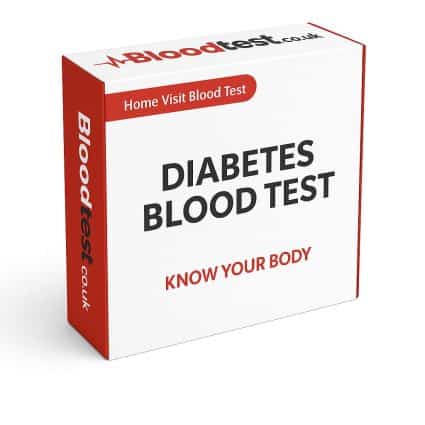

Once referred, patients can expect to be booked for a blood test at a nearby clinic. This appointment is crucial, as it lays the groundwork for understanding an individual’s blood sugar levels and overall health. The NHS provides various pathways to streamline this process, allowing residents of Taunton to access essential services without undue delays.
It is vital for patients to take a proactive stance regarding their health. If diabetes is suspected, addressing concerns with a healthcare professional can lead to timely interventions. This proactive mindset not only aids in early detection but also empowers individuals to take charge of their health journey.
Crucial Blood Tests for Monitoring Your Health
In Taunton, several blood tests are routinely conducted to effectively monitor blood sugar levels. The HbA1c test is one of the most prevalent; it assesses the average blood sugar levels over the previous two to three months. This test is essential for diagnosing diabetes and evaluating how well it is being managed.
Another frequently performed assessment is the fasting glucose test, which measures blood sugar levels after an overnight fast. This test is instrumental in identifying both diabetes and prediabetes, assisting healthcare providers in determining the most appropriate treatment strategies for their patients. Both tests are typically accessible at local clinics, making it easy for Taunton residents to obtain crucial health services. Additional tests, such as random plasma glucose tests or oral glucose tolerance tests, may also be available. Each of these tests serves a distinct purpose and provides valuable insights into an individual’s health, making them essential for effective diabetes management.
Who Is Eligible for Diabetes Testing?
To qualify for a complimentary diabetes screening in Taunton, residents must meet specific NHS criteria. These eligibility guidelines generally consider factors such as age, family history of diabetes, and the presence of symptoms. For example, individuals over 40 or those with a family history of diabetes are often advised to undergo testing.
The NHS prioritises testing for those considered at higher risk. Anyone experiencing symptoms like excessive thirst or frequent urination should consult their GP, as these may indicate diabetes. The screening process aims to be inclusive, ensuring that individuals from various backgrounds can access testing services.
Residents should note that testing criteria may vary slightly based on local health policies. It is wise to discuss specific eligibility requirements with healthcare providers to ensure they receive the appropriate care.
Getting Ready for Your Local Diabetes Testing Appointment
The Significance of Fasting Requirements
Before attending a diabetes blood test in Taunton, individuals may need to adhere to specific fasting guidelines. For assessments such as the fasting glucose test, patients are usually advised to refrain from eating for eight to ten hours prior to their appointment. This fasting period is essential to ensure that the blood sugar levels measured are not influenced by recent food intake, resulting in more precise results.
Comprehending the importance of fasting can help alleviate any confusion surrounding the testing process. Patients should aim to schedule their appointments in the morning, making the fasting requirement easier to manage. Staying hydrated is equally crucial; individuals are encouraged to drink water during the fasting period to prevent dehydration.
Effective planning can benefit patients, particularly those with busy schedules. By understanding the fasting requirements, they can organise their meals and appointments accordingly, ensuring they are fully prepared for their blood test.
Documentation to Bring for Your Appointment
When attending a diabetes blood test in Taunton, it is vital to bring specific documents to ensure a smooth process. Patients should have their NHS number readily available, as this helps streamline the administrative aspects of the appointment. A current medical history can provide healthcare professionals with valuable context regarding the patient’s health.
A list of current medications is also important. This information assists healthcare providers in identifying any potential interactions or considerations that may affect the testing process. By being prepared with these documents, patients can enhance the efficiency of their appointment, allowing for greater focus on their health concerns.
Bringing the necessary documentation not only facilitates the testing process but also empowers patients to actively participate in their healthcare journey. It fosters a collaborative environment between patients and healthcare providers, ultimately leading to improved health outcomes.
The Importance of Early Detection of Diabetes
Early identification of diabetes through local testing in Taunton offers numerous benefits that can substantially impact a patient’s health. Recognising diabetes at an early stage allows for timely interventions, which can halt disease progression and reduce the risk of complications such as cardiovascular disease, kidney damage, and vision impairment.
Early diagnosis enables individuals to implement informed lifestyle changes. With appropriate support and guidance from healthcare professionals, patients can adjust their diet and increase physical activity, both vital for effectively managing blood sugar levels. This proactive approach can significantly improve overall health and wellbeing.
Research indicates that early detection often leads to better long-term health outcomes. Individuals who receive timely diagnoses and appropriate care tend to incur lower healthcare costs and enjoy a higher quality of life. By prioritising early testing, residents of Taunton can make meaningful progress toward managing their health and preventing serious complications.
Proven Strategies for Preparing for a Diabetes Blood Test in Taunton
Dietary Changes Leading Up to the Test
Preparing for a diabetes blood test in Taunton involves making specific dietary changes in the days leading up to the appointment. Healthcare providers often recommend maintaining a balanced diet that includes whole grains, lean proteins, and an abundance of fruits and vegetables. This approach can help stabilise blood sugar levels, resulting in more accurate test outcomes.
In the hours preceding the test, particularly if a fasting glucose test is scheduled, patients should avoid high-sugar foods and beverages. Consuming such items can elevate blood sugar levels, potentially skewing the results. Instead, focusing on hydration and consuming light meals can be beneficial.
Patients should discuss any dietary concerns with their healthcare provider. They can offer personalised advice based on each patient’s health status and testing requirements, ensuring patients are well-prepared for their blood tests.
Strategies for Managing Pre-Test Anxiety
Many individuals experience anxiety before a diabetes blood test, which can affect their overall experience. To manage these feelings, techniques like deep breathing exercises can be highly effective. Taking a few moments to focus on your breathing can help calm your nerves and instil a sense of relaxation before the appointment.
Another helpful strategy is engaging in positive self-talk. Reminding oneself of the test’s importance and the potential benefits of early detection can help redirect focus away from anxiety. Patients may also consider bringing a supportive friend or family member to the appointment for added comfort.
Establishing a calming routine before the test can further alleviate anxiety. Whether it involves listening to soothing music, engaging in light physical activity, or practising mindfulness, finding a personal method to relieve stress can enhance the overall testing experience.
Key Advantages of Diabetes Blood Testing in Taunton
- Local testing facilitates ongoing health monitoring.
- Quick access to follow-up care within the NHS system.
- Early detection reduces the likelihood of complications.
- Convenient appointments at nearby clinics.
- Access to professional guidance and support.
- Cost-effective services for eligible residents.
- Improved health outcomes through regular monitoring.
Residents of Taunton can benefit significantly from local diabetes blood tests. These services not only support continuous health monitoring but also ensure swift access to follow-up care within the NHS system. This localised approach to healthcare enhances the overall patient experience, making effective diabetes management more achievable.
Expert Perspectives on Diabetes Blood Testing in Taunton
Success Stories from Local Clinics
Residents of Taunton have shared numerous success stories regarding their experiences with Diabetes blood tests at local clinics. Many individuals report that receiving their results prompted significant lifestyle changes, including improved diets and increased physical activity. With the support of NHS resources, they have effectively managed their condition.
For instance, one patient noted that their HbA1c test results motivated them to consult a dietitian, leading to a personalised meal plan that significantly improved their blood sugar control. Such real-life examples underscore the importance of local testing and its role in empowering individuals to take charge of their health.
Healthcare professionals in Taunton have observed a rise in patient engagement following blood tests. As residents become more aware of their health status, they are more inclined to seek additional support and resources, creating a positive feedback loop that enhances overall community health.
Recent Research Insights
Recent studies emphasise the importance of routine blood tests in improving diabetes detection rates among patients in Taunton. Research suggests that regular screenings through primary care services can facilitate earlier diagnoses, enabling timely interventions. This proactive approach has been shown to significantly diminish the risk of serious complications associated with diabetes.
Data indicate that patients who utilise local testing services tend to achieve better health outcomes. By identifying diabetes sooner, healthcare providers can implement management strategies tailored to individual needs, leading to improved blood sugar control and overall quality of life.
These findings highlight the value of accessible healthcare services in Taunton. By encouraging residents to undergo regular blood tests, the NHS can cultivate a healthier community and mitigate the long-term burden of diabetes-related complications.
Follow-Up Care Options After Testing
Upon receiving the results of a blood test for diabetes in Taunton, patients need to understand their follow-up care options. If results indicate a diagnosis of diabetes or prediabetes, healthcare providers will typically recommend a follow-up appointment to discuss the findings in detail. This step is vital for formulating a personalised management plan.
Patients should feel empowered to ask questions about their results and what they signify for their health. Healthcare professionals can provide guidance on lifestyle changes, medication options, and ongoing monitoring strategies. This collaborative approach ensures that patients receive the support they need to manage their condition effectively.
Patients may be referred to diabetes education programmes or specialist clinics for additional assistance. These resources offer invaluable information and support, helping individuals navigate their diabetes journey with confidence.
Insights from Medical Professionals in Taunton
Experienced medical professionals in Taunton have shared valuable insights regarding the accuracy and benefits of diabetes blood tests. They stress that routine testing is crucial for early detection and effective management of the condition. Local community health centres and NHS facilities are equipped to provide comprehensive testing services, ensuring residents receive accurate and timely results.
Doctors also highlight the significance of patient education in helping individuals comprehend test results. Clear communication about what the results imply and the subsequent steps can empower patients to take control of their health. With the right support, individuals can make informed decisions that positively influence their diabetes management.
Local experts emphasise that regular testing can lead to enhanced health outcomes. By consistently monitoring blood sugar levels, patients can identify patterns and make necessary lifestyle changes, ultimately improving their overall wellbeing.
Research-Driven Benefits of Diabetes Blood Testing in Taunton
Minimising Health Risks through Regular Testing
Regular diabetes blood tests in Taunton significantly reduce the risk of complications by enabling timely interventions. When blood sugar levels are consistently monitored, healthcare providers can identify patterns and make essential adjustments to treatment plans. This proactive approach helps avert serious health issues such as cardiovascular disease, neuropathy, and kidney failure.
Studies indicate that individuals who engage in routine screenings are less likely to experience severe complications related to diabetes. By detecting potential issues early, healthcare providers can implement strategies that enhance health outcomes and improve patients’ quality of life.
The availability of local NHS testing services ensures that residents can access essential healthcare without the burden of high costs. This accessibility encourages more individuals to prioritise their health and seek necessary screenings, ultimately reducing health risks in the community.
Enhancing Patient Outcomes through Early Testing
Data demonstrate that patient outcomes improve significantly when diabetes tests are conducted early at facilities serving the Taunton community. Early detection facilitates timely interventions, leading to better blood sugar control and a decreased risk of complications. Residents who take advantage of local testing services often report feeling more empowered in managing their health.
Healthcare providers in Taunton have observed that patients who participate in regular testing tend to be more proactive about their lifestyle choices. This increased awareness fosters a culture of health within the community, motivating individuals to make informed decisions that positively impact their wellbeing.
The evidence supporting the advantages of early testing reinforces the importance of accessible healthcare services in Taunton. By prioritising routine screenings, residents can significantly enhance their health outcomes and mitigate the long-term effects of diabetes on their lives.
Cost-Effective Diabetes Monitoring Solutions
NHS-funded diabetes tests in Taunton provide accessible care without imposing private fees on eligible residents. This cost-effective model ensures individuals can receive necessary screenings without financial barriers, encouraging greater participation in health monitoring. The availability of free testing services is vital for the early detection and management of diabetes.
By reducing testing costs, the NHS motivates residents to prioritise their health and pursue necessary screenings. This proactive approach benefits individual patients and contributes to the overall health of the community. When more individuals engage in regular testing, the likelihood of identifying diabetes early increases, leading to improved health outcomes for all.
Ultimately, the NHS’s commitment to providing free diabetes testing highlights the significance of accessible healthcare. Residents of Taunton can fully utilise these services to monitor their health effectively, ensuring they remain informed and empowered in their diabetes management journey.
What Results Should You Expect from Your Local Testing?
Understanding Normal Blood Test Ranges
When undergoing a diabetes blood test in Taunton, patients can expect their results to align with the NHS-defined parameters. The normal ranges for tests like HbA1c and fasting glucose are critical indicators of an individual’s risk of diabetes. For instance, an HbA1c level below 48 mmol/mol is typically regarded as normal, while a fasting glucose level below 5.6 mmol/L is also considered healthy.
Grasping these ranges is essential for accurately interpreting results. Healthcare providers in Taunton are well-equipped to explain these indicators and guide patients through their results, clarifying what they mean for their health. This understanding enables individuals to comprehend their current status and what steps may be necessary moving forward.
Patients should remember that results can vary based on individual circumstances. Factors such as age, weight, and overall health can influence blood sugar levels. Discussing results with a healthcare professional is vital for a comprehensive understanding of one’s health.
Next Steps After Receiving Abnormal Results
If a blood test for diabetes in Taunton yields abnormal results, healthcare providers will typically arrange additional assessments or treatments promptly. These subsequent steps are crucial for understanding the underlying causes of the abnormal results and determining the best course of action for the patient’s health.
Patients may be advised to undergo further tests to confirm a diagnosis of diabetes or assess the severity of their condition. This may include repeat blood tests or other evaluations such as an oral glucose tolerance test. After these assessments, healthcare professionals can develop a personalised management plan tailored to the individual’s needs.
It is essential for patients to remain engaged in their healthcare journey during this process. By asking questions and seeking clarification about their results, individuals can better understand their health and make informed decisions regarding their treatment options.
Recommended Testing Frequency
The frequency of diabetes blood tests in Taunton varies based on individual factors, including risk levels and previous test results. Generally, healthcare providers recommend that individuals at higher risk for diabetes undergo testing at least once a year. This approach ensures that any changes in blood sugar levels are closely monitored, allowing for timely interventions if necessary.
For those already diagnosed with diabetes, the testing frequency may vary according to their management plan. Some patients may require more frequent testing, particularly if they are adjusting their treatment or experiencing fluctuations in their blood sugar levels. Regular monitoring is crucial for effective diabetes management and preventing complications.
Ultimately, the decision on how often to repeat tests should be made in consultation with a healthcare provider. They can assess individual circumstances and offer tailored recommendations that align with the patient’s health goals.
Factors Affecting Test Result Reliability
Several factors can influence the reliability of diabetes test results conducted at Taunton facilities. Recent meals, stress levels, and medication intake are among the variables that can impact blood sugar readings. For example, consuming food shortly before a fasting glucose test can lead to elevated readings, potentially skewing results.
Stress can significantly affect blood sugar levels. When individuals are under stress, their bodies may release hormones that elevate blood sugar levels, impacting the accuracy of test results. Effectively managing stress prior to appointments is crucial.
To ensure trustworthy outcomes, patients should adhere to all preparation guidelines provided by their healthcare providers. This includes following fasting requirements and being mindful of any medications that may need to be adjusted before testing.
Decoding Local Laboratory Reports
Taunton residents can expect clear and comprehensive reports from nearby testing centres, detailing blood sugar levels and other indicators. These reports are designed to be user-friendly, enabling patients to easily comprehend their diabetes status. Typically, the results will include key metrics such as HbA1c levels and fasting glucose readings, accompanied by interpretations from healthcare professionals.
Understanding these reports is vital for effective diabetes management. Patients should discuss their results with their healthcare provider, who can offer insights into what the numbers indicate and how they relate to overall health. This collaborative approach fosters a better understanding of diabetes management and empowers individuals to take control of their health.
Transparent communication from local testing centres ensures that patients feel informed and supported throughout their healthcare journey. This transparency is crucial for building trust and promoting proactive health management.
Accessing Support After Testing in Taunton
Available Community Support Resources
After undergoing a diabetes blood test in Taunton, individuals can access a variety of community resources designed to provide education and ongoing support for diabetes management. Local groups frequently organise workshops and informational sessions that offer valuable insights into healthy eating, exercise, and stress management. These resources empower residents to take charge of their health and make informed decisions.
The NHS also provides various programmes to assist individuals with diabetes. These initiatives may include access to diabetes specialist nurses, dietitians, and educational materials that enhance patients’ understanding of their condition. By utilising these resources, individuals can improve their knowledge and skills in effectively managing diabetes.
Community support groups offer a platform for individuals to share their experiences and learn from one another. This sense of community can be immensely beneficial, providing emotional support and encouragement as individuals navigate their diabetes management journey.
Maintaining Open Communication with Healthcare Providers
Following a diabetes blood test, patients must maintain open lines of communication with their healthcare providers. Residents in Taunton can easily follow up directly with their surgery or diabetes specialist nurse for advice regarding their results and next steps. This proactive approach ensures that individuals receive tailored guidance suited to their unique health needs.
Healthcare providers are available to address questions, clarify results, and discuss any concerns patients may have. This open dialogue fosters a collaborative relationship between patients and healthcare professionals, ultimately leading to better health outcomes.
Patients should not hesitate to reach out for support, whether they require assistance interpreting their results or guidance on lifestyle changes. Engaging with healthcare providers is a vital component of effective diabetes management.
Strategies for Sustainable Diabetes Management
Creating personalised strategies for long-term diabetes management is crucial for maintaining stable blood sugar levels after testing. After a diabetes blood test in Taunton, healthcare providers often collaborate with patients to develop tailored management plans that address their specific needs and goals. These plans may encompass dietary recommendations, exercise routines, and medication management.
Regular follow-up appointments are essential for assessing progress and making necessary adjustments to the management plan. Patients should feel empowered to discuss any challenges they encounter, as this feedback is invaluable for refining their approach to diabetes care.
Education plays a significant role in long-term management. Patients are encouraged to learn about their condition, understand the implications of their test results, and stay informed about new research and treatment options. By actively engaging in their health, individuals can significantly improve their diabetes management and overall quality of life.
Common Queries Regarding Diabetes Testing
What is a diabetes blood test?
A diabetes blood test measures blood sugar levels to diagnose diabetes or monitor its management. Common tests include HbA1c and fasting glucose tests, which provide insights into an individual’s blood sugar control over time.
How should I prepare for a blood test for diabetes?
To prepare for a diabetes blood test, you may need to fast for 8 to 10 hours beforehand. It is also important to bring your NHS number, medical history, and a list of medications to your appointment.
Where can I have a diabetes blood test in Taunton?
Diabetes blood tests are available at local GP surgeries and clinics in Taunton. You can discuss any symptoms with your GP to obtain a referral for testing through the NHS.
What symptoms are linked to diabetes?
Common symptoms of diabetes include increased thirst, frequent urination, extreme fatigue, blurred vision, and slow-healing sores. If you experience these symptoms, consult your GP for further evaluation.
How often should I get tested for diabetes?
The frequency of diabetes testing depends on individual risk factors. Typically, those at higher risk should be tested annually, while individuals diagnosed with diabetes may need to undergo more frequent monitoring as advised by their healthcare provider.
What does an HbA1c test result indicate?
An HbA1c test result reflects your average blood sugar levels over the past two to three months. A result below 48 mmol/mol is generally considered normal, while higher levels may suggest diabetes or prediabetes.
Can I have a diabetes blood test without a referral?
In the UK, diabetes blood tests typically require a referral from a GP. Some private clinics may offer testing without a referral, which may incur costs.
What if my test results are abnormal?
If your test results are abnormal, your healthcare provider will review the findings with you and may recommend additional tests or a management plan tailored to your needs.
Are diabetes blood tests free in the UK?
Yes, diabetes blood tests are usually free for eligible residents through the NHS. This includes various tests for diagnosing and managing diabetes, ensuring accessible healthcare for everyone.
What support is available after testing?
After testing, patients can access community resources, NHS programmes, and support groups in Taunton. These resources provide education and ongoing assistance for effective diabetes management.
Visit our Facebook profile for further information!
This Article Was First Found On https://bloodtest.co.uk
The Article Diabetes Blood Test: Your Local NHS Guide in Taunton found first on https://electroquench.com