Master the Art of Perfect Chocolate Tempering Techniques
What Are the Essential Steps for Achieving Perfectly Tempered Chocolate?
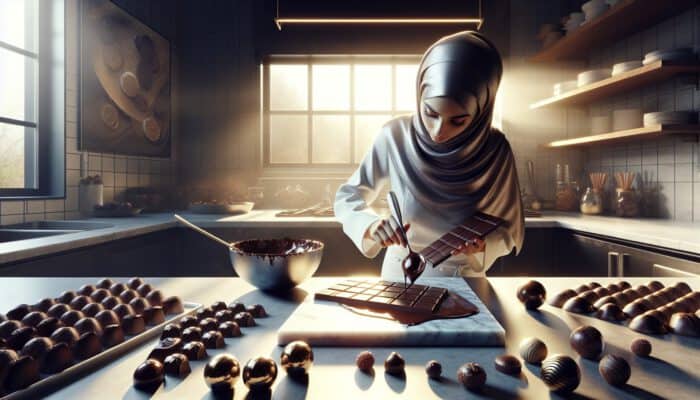
Mastering the technique of tempering chocolate is a skill that demands meticulous precision and careful attention to detail. This intricate process involves a carefully orchestrated sequence of heating and cooling your chocolate to effectively stabilise its cocoa butter crystals. When you perfect this procedure, you will achieve a stunningly shiny finish and a satisfying snap, both of which are vital for an array of desserts. For example, properly tempered chocolate is indispensable for crafting exquisite chocolate truffles or lustrous coatings that elevate the texture and visual appeal of your confections. By refining your tempering abilities, you can transform a basic dessert into a visually stunning and professionally finished creation that will captivate any chocolate enthusiast.
What Key Ingredients Are Essential for Successful Chocolate Tempering?
When embarking on your journey of tempering chocolate, selecting the right ingredients and tools is crucial for achieving the desired results. The foundation lies in using high-quality chocolate with an appropriate cocoa content, as this significantly impacts the outcome. Moreover, employing precise utensils is vital to ensure even melting and setting, particularly for desserts like truffles or glossy coatings. The harmonious combination of premium chocolate and the right tools not only enhances the sensory experience but also significantly boosts the overall allure of your dessert, making it even more enjoyable for those who savour your culinary creations.
What Common Mistakes Should Be Avoided During the Tempering Process?
A prevalent mistake that can occur during the tempering process is overheating the chocolate, which can lead to serious issues such as seizing or blooming. It is absolutely vital to monitor temperatures meticulously to maintain the chocolate's glossy shine and to prevent wastage. By recognising these common pitfalls, you can simplify the task of creating professional-quality desserts. For instance, utilising a thermometer instead of relying solely on visual cues can effectively prevent overheating, ensuring your chocolate retains a smooth, rich consistency across any dessert you are preparing.
What Effective Techniques Can Be Employed for Tempering Chocolate?

Several effective methods for tempering chocolate exist, including the seeding method, which involves adding unmelted chocolate pieces to melted chocolate, and the tabling technique, where melted chocolate is spread across a cool surface. Each of these techniques aims to stabilise the cocoa butter crystals, resulting in a glossy finish and a firm snap—both of which are critical components for enhancing desserts such as truffles and chocolate bars. For instance, the seeding method provides improved temperature control, while the tabling technique allows for a tactile experience that many expert chocolatiers prefer.
Essential Equipment for Achieving Perfect Chocolate Tempering
What Fundamental Tools Should Beginners Acquire for Successful Chocolate Tempering?
For those commencing their journey in tempering chocolate, possessing the right equipment is vital for success. A reliable thermometer, heatproof bowls, and a spatula are indispensable tools that facilitate accurate temperature control throughout the tempering process. These basic yet essential utensils ensure consistent results and make the tempering procedure more accessible and efficient. Investing in high-quality tools will yield invaluable benefits when creating impressive desserts, guaranteeing that every batch of chocolate is perfectly tempered and ready for incorporation into your sweet creations.
How Can I Choose the Best Types of Chocolate for Tempering?
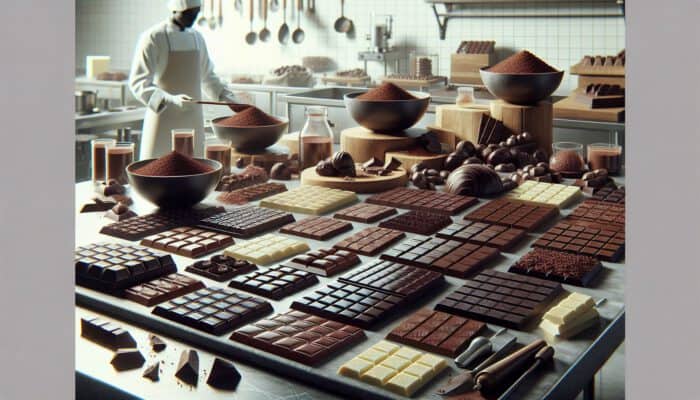
Choosing the appropriate type of chocolate is a foundational element in successful tempering. Seek out varieties that boast a high cocoa content, as these typically offer greater stability throughout the tempering process. This selection directly influences the final product's flavour and texture in desserts, ensuring a superior outcome. Consider the following options for optimal results:
- Dark chocolate (70% cocoa or higher)
- Milk chocolate (30-40% cocoa)
- White chocolate (cocoa butter-based)
- Couverture chocolate (high cocoa butter content, ideal for coatings)
- Organic chocolate (less processed)
- Single-origin chocolate (distinct flavour profiles)
How Can I Create an Efficient Workspace for Optimal Chocolate Tempering?
Establishing a well-organised workspace is crucial for successful tempering chocolate. An orderly area that includes all necessary tools and ingredients will streamline the tempering process, making it more efficient and effective. A clean, stable environment minimises the risk of errors and accelerates preparation, promoting both safety and productivity. Ensure your workspace is free from moisture, as any water can cause chocolate to seize. By keeping all tools within easy reach, you enhance workflow, allowing you to concentrate on creating delightful desserts.
What Is the Most Effective Method for Achieving Perfectly Tempered Chocolate?
How Can I Implement the Seeding Technique for Consistent Results?
The seeding technique is a dependable method for achieving an even temper in chocolate. This process involves melting a portion of your chocolate and then gradually incorporating unmelted pieces to promote proper crystallisation. By stirring gently, you assist in forming stable cocoa butter crystals, resulting in a consistent texture for your desserts. This approach is particularly beneficial for home bakers, as it provides a straightforward method that consistently produces excellent results, making it easier to create high-quality chocolate confections.
What Is the Tabling Method for Expert Chocolatiers?
The tabling approach represents a more advanced technique that involves spreading melted chocolate onto a cool, clean surface, such as a marble slab. As the chocolate cools, it is manipulated with a spatula to encourage crystallisation. This method requires a delicate touch and a comprehensive understanding of chocolate behaviour, but it can yield exceptionally tempered chocolate. When applying this technique to your dessert recipes, focus on precision and control; it can produce stunning results, from chocolate bars to intricate dessert designs that will astonish your guests.
How Does Temperature Impact the Tempering Process?
Temperature plays a critical role in the tempering process. Careful monitoring of heat levels is essential to prevent overheating, which can ruin the temper and lead to dull, soft chocolate instead of the desired sheen and firmness. For optimal results, the chocolate should be heated to specific temperatures based on its type before cooling. Understanding how temperature affects chocolate behaviour allows you to achieve more effective and reliable outcomes, ensuring that each dessert crafted with tempered chocolate stands out in both taste and presentation.
What Is the Microwave Technique for Quick Chocolate Tempering?
For home cooks seeking speed and simplicity, the microwave technique for tempering chocolate offers a practical solution. By heating chocolate in short intervals and stirring frequently, you can easily regulate the temperature and encourage even crystallisation. This approach allows for quick and efficient tempering without the need for extensive equipment, which is particularly beneficial in busy kitchens where time is of the essence. It enables the creation of smooth, shiny chocolate coatings that impress and satisfy without overwhelming complexity.
Expert Insights for Mastering Chocolate Tempering Techniques
What Core Principles Should Guide Your Tempering Practices?
Understanding the fundamental principles of chocolate tempering is vital for achieving remarkable results. The formation of crystals during tempering is essential to the chocolate's texture and overall appearance. Expert advice suggests that maintaining proper temperature control and employing consistent techniques can significantly enhance the quality of your desserts. Keep these essential principles in mind as you experiment with various recipes and chocolate types, deepening your mastery of this beloved craft.
How Can You Continuously Improve Your Tempering Technique?
Enhancing your chocolate tempering skills through ongoing practice is essential for mastering this technique. Evidence indicates that bakers who engage in regular practice experience notable improvements in their tempering consistency and results. Consider documenting your processes, noting what works and what does not, to continually refine your technique. This valuable documentation can lead to insights that elevate your dessert preparation to a professional level, regardless of your initial skill set.
What Advanced Variations Can Be Applied to Different Types of Desserts?
As you gain confidence in tempering chocolate, explore advanced variations tailored to specific desserts. Adjust your methods based on the type of chocolate or desired outcome, and provide actionable steps to adapt your techniques accordingly. Different chocolate varieties may require slight adjustments in temperature and method, so maintaining flexibility will ensure optimal results across a diverse range of dessert applications, from truffles to elaborate chocolate decorations that showcase your creativity.
What Effective Strategies Can Be Used to Troubleshoot Common Tempering Challenges?
Even seasoned chocolatiers encounter challenges during the tempering process. Recognising how to troubleshoot common issues, such as seizing or uneven texture, is critical for maintaining quality. Learn practical steps to diagnose and resolve errors, such as adjusting temperatures or re-tempering chocolate. Developing these problem-solving skills during your culinary journey will ensure reliable results, boosting your confidence and productivity in dessert-making, ultimately leading to delightful creations.
How Does Equipment Quality Affect Successful Tempering?
The quality of your tools and equipment plays a significant role in tempering outcomes. Investing in high-quality utensils, such as precise thermometers and sturdy spatulas, enhances your tempering accuracy. Furthermore, knowing how to utilise your tools effectively is essential; this knowledge can elevate your chocolate work and directly contribute to the success of your desserts. Ensure that you select equipment that aligns with your cooking style and complements your vision for your chocolate masterpieces.
How Can You Overcome Common Tempering Challenges?
What Are the Indicators of Improperly Tempered Chocolate?
Identifying the signs of improperly tempered chocolate early on can help you avoid dessert failures. Indicators such as dullness, a soft texture, or a lack of snap are clear signals that the temper has failed. By understanding these warning signs, you can implement swift corrective measures to ensure your desserts maintain their aesthetic appeal and high quality. Regular practice will enhance your ability to identify these issues more readily, improving your overall chocolate handling skills and confidence.
What Measures Can Help Prevent Seizing During the Melting Process?
If chocolate seizes while melting, adding a small amount of fat, such as cocoa butter or vegetable oil, can help restore its smooth texture. This practical troubleshooting step ensures that your desserts maintain their visual and textural allure. Being able to quickly address this common issue will instil confidence in your chocolate tempering skills and support consistent success in your dessert creations, enabling you to explore your creativity without fear of failure.
What Preventative Strategies Can Be Implemented for Future Attempts?
Utilising accurate tools and closely monitoring temperatures can significantly reduce issues in future tempering attempts. Consider these strategies to protect against common chocolate problems:
- Utilise a reliable thermometer for precise temperature control
- Ensure your workspace remains dry and free of moisture
- Work in small batches to manage temperature more effectively
- Regularly evaluate the quality of your chocolate
Each of these tactics enhances reliability in dessert-making, empowering you to continue improving and mastering your chocolate tempering journey.
What Are the Research-Backed Benefits of Tempered Chocolate?
What Improvements in Texture and Appearance Can Be Expected?
Tempering chocolate offers numerous advantages that significantly enhance its texture and overall appearance. The process creates a stable structure that improves mouthfeel and visual appeal, making it more enticing. Expert analysis demonstrates that well-tempered chocolate provides a satisfying snap that is not only pleasurable to consume but also visually striking. This elevated quality is essential for those wishing to enhance their dessert presentations, adding a touch of sophistication and expertise to every creation.
How Does Tempering Contribute to Long-Lasting Storage Stability?
Properly tempered chocolate exhibits excellent long-term stability in storage, resisting melting and maintaining its quality over time. This advantage ensures that your desserts remain fresh and visually appealing for extended periods, which is especially beneficial for businesses or home bakers who need to prepare in advance. Understanding the science behind this stability allows you to develop effective storage solutions, ensuring that your chocolate stays in optimal condition for as long as possible and is always ready for use in your desserts.
How Does Tempering Affect the Flavour Profiles of Chocolate?
Tempering chocolate not only influences its texture but also has a profound impact on its flavour profile. Properly tempered chocolate preserves its rich flavours by preventing defects like fat bloom, which can detract from the overall sensory experience. To maximise these sensory attributes in your desserts, focus on using high-quality chocolate and applying precise tempering techniques. This attention to detail will greatly elevate the taste and impression of your chocolate creations, ensuring that each bite is truly memorable.
What Are Advanced Tips for Crafting Extraordinary Desserts?
How to Infuse Unique Flavours into Your Tempered Chocolate Creations?
Incorporating flavours such as extracts or nuts into tempered chocolate can create exciting variations without compromising its temper. This technique enhances your dessert creativity, allowing you to personalise your chocolate creations. However, it is crucial to ensure that any additions are dry to maintain the temper's integrity. This approach not only enriches the flavour profile of your desserts but also showcases your unique style and flair as a chocolatier, impressing those who savour your culinary art.
What Layering Techniques Can Elevate Complex Dessert Creations?
Employing layering techniques with tempered chocolate can introduce sophistication and depth to your desserts. By constructing multiple layers, you can create visually stunning results that captivate both the eye and the palate. Techniques such as alternating layers of dark and white chocolate or incorporating fillings between layers can elevate your dessert’s complexity to remarkable levels. To master this method, focus on even coating and precise cooling to ensure each layer merges seamlessly, resulting in a harmonious and delightful dessert experience.
How to Achieve a Professional Finish with Your Chocolate Desserts?
Achieving a professional finish with tempered chocolate requires even coating and controlled cooling. Techniques for perfecting your work include using a heated spatula to smooth surfaces and ensuring that cooling occurs at a steady rate. Real-world examples, such as the finishing touches on a glossy chocolate mousse or a decadent ganache, illustrate how these methods can enhance your work, ensuring that every dessert appears as exquisite as it tastes and leaves a lasting impression on your guests.
What Innovative Molecular Gastronomy Techniques Can Be Explored in Desserts?
Diving into molecular gastronomy techniques such as spherification and foam creation can revolutionise your dessert recipes. These cutting-edge methods add unique textures and aesthetic appeal to your creations, pushing the boundaries of traditional dessert-making. By prioritising safety and precision in execution, these techniques enable you to incorporate playful elements into your confections, delighting guests and elevating the dining experience to new and exciting levels that will be remembered long after the meal is over.
What Are the Best Practices for Sustaining Chocolate Tempering Techniques?
How to Conduct Regular Checks to Ensure Equipment Accuracy?
Regularly checking your utensils is vital for maintaining consistent tempering results. Conducting routine checks on thermometers, spatulas, and other equipment ensures that your tempering process remains reliable and effective, helping to uphold the quality of your desserts. Establishing a maintenance schedule will keep your kitchen operating smoothly and efficiently, allowing you to focus more on creativity and less on potential technical issues that could arise.
How to Adapt Your Methods Based on Ingredient Variations?
Adjusting your tempering methods to accommodate different qualities of chocolate is an important skill for any chocolatier. Understanding the nuances between various types of chocolate allows you to make informed adjustments that maintain successful outcomes. For instance, chocolates with lower cocoa content may require slightly different heating times or temperatures. Flexibility in your approach supports reliable dessert production, ensuring that each batch meets your high standards and expectations for excellence.
What Strategies Are Effective for Scaling Up for Larger Batches of Chocolate?
When preparing larger batches of tempered chocolate, methodically increasing quantities is key to avoiding errors. This strategy supports the efficient preparation of desserts for larger-scale production, ensuring that each batch is consistently tempered and meets high-quality standards. Pay particular attention to temperature control and timing, as these factors become even more critical when working with larger quantities. A systematic approach will help maintain the integrity and excellence of your desserts, enabling successful outcomes at every scale.
What Are the Optimal Practices for Storing and Using Tempered Chocolate?
What Conditions Are Ideal for Storing Tempered Chocolate?
To preserve the flavour and quality of chocolate, it should be stored in a cool, dry place. Proper storage conditions ensure that chocolate remains usable for desserts, effectively extending its shelf life. Avoid exposure to light and moisture, as both elements can negatively impact the chocolate's structure and taste. By implementing these storage strategies, you can guarantee that your tempered chocolate remains a superb ingredient in all your dessert creations, always ready to impress at any moment.
How to Incorporate Tempered Chocolate into Diverse Dessert Recipes?
Utilising tempered chocolate as a coating or filling can significantly enhance the appeal of your desserts. From beautifully dipped fruits to rich cake layers, the applications of tempered chocolate are versatile and enriching. Incorporating it into your baking and confectionery practices not only adds visual allure but also improves texture and flavour. This versatility makes tempered chocolate an invaluable asset in any dessert repertoire, empowering you to craft stunning, delicious confections that delight the senses and satisfy every sweet tooth.
What Innovative Methods Can Be Used to Repurpose Leftover Tempered Chocolate?
Finding creative ways to reuse leftover tempered chocolate can minimise waste while fostering culinary creativity. Consider incorporating leftover tempered chocolate into new desserts, such as using shards for cake garnishes or melted chocolate for decadent sauces. This resourceful approach encourages experimentation, allowing you to maintain quality standards while also being inventive in your chocolate creations. Embracing this mindset can lead to unexpected and delightful results, enhancing your dessert offerings and showcasing your culinary artistry.
FAQs about Chocolate Tempering
What Is the Process for Successfully Tempering Chocolate?
Tempering chocolate involves the careful heating and cooling of chocolate to stabilise its cocoa butter crystals, resulting in a glossy finish and satisfying snap.
Why Is Tempering Chocolate So Important?
Tempering ensures that chocolate possesses a smooth texture and appealing sheen, enhancing both the visual allure and mouthfeel of desserts.
What Tools Are Required for Effective Chocolate Tempering?
Essential tools include a reliable thermometer, heatproof bowls, a spatula, and a clean, stable workspace to ensure precise temperature control during the tempering process.
Can You Temper Chocolate Using a Microwave?
Yes, chocolate can be tempered in the microwave by using short bursts of heat and stirring frequently to maintain even temperatures throughout.
What Common Errors Occur During Chocolate Tempering?
Common errors include overheating chocolate, which can cause it to seize or lose its shine, and failing to monitor temperatures accurately throughout the tempering process.
How Can You Fix Seized Chocolate?
To remedy seized chocolate, add a small amount of fat, such as cocoa butter or vegetable oil, and stir until the chocolate regains its smooth consistency.
What Types of Chocolate Are Best for Tempering?
Dark chocolate (70% cocoa or higher), milk chocolate (30-40% cocoa), and couverture chocolate are excellent choices for tempering due to their suitable properties.
How Should Tempered Chocolate Be Stored Properly?
Tempered chocolate should be stored in a cool, dry place, away from light and moisture, to preserve its quality and usability over time.
What Advanced Techniques Can Be Employed with Tempered Chocolate?
Advanced techniques include molecular gastronomy methods such as spherification and foam creation, which can add unique textures and presentations to desserts, enhancing the overall experience.
How Can You Achieve Consistent Results When Tempering Chocolate?
To achieve consistent results, regularly verify your equipment, closely monitor temperatures, and adapt your methods to the specific type of chocolate you are using.
Join us on Facebook for more fun!
The post How to Temper Chocolate for Desserts: A Complete Guide appeared first on https://cookinggods.com
The Article Tempering Chocolate for Desserts: Your Complete Guide Was Found On https://limitsofstrategy.com