In-Depth Understanding of Canine Incontinence: Causes and Effective Solutions
What Factors Contribute to Urinary Issues in Dogs?
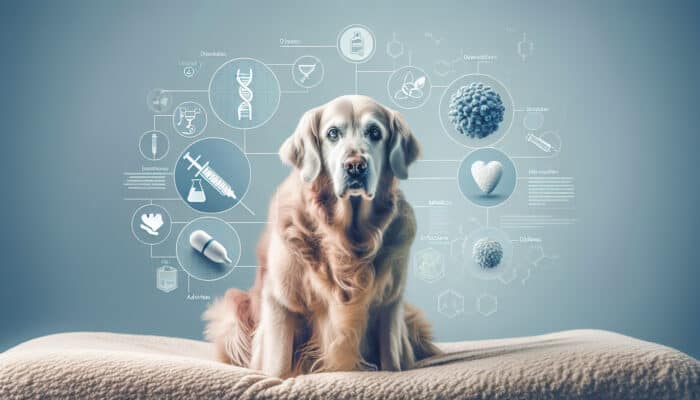
When exploring effective solutions for canine incontinence, it is crucial to recognise that a myriad of factors can contribute to this condition. One of the predominant causes is age-related muscle weakening, which significantly impacts dogs as they grow older. As dogs age, the strength of their bladder muscles diminishes, leading to involuntary leakage. Additionally, various medical conditions such as urinary tract infections, diabetes, and kidney diseases can seriously disrupt a dog's normal bladder functionality. Early detection and understanding of these contributing factors are essential for enhancing a dog's comfort and overall quality of life. Below are some common contributors that pet owners should be vigilant about:
- Age-related muscle weakening
- Urinary tract infections
- Hormonal imbalances (e.g., issues related to spaying)
- Neurological disorders
- Certain medications
- <a href=”https://elgatoencasa.com/rainy-day-indoor-activities-for-pets-engaging-options/”>Obesity</a> and lack of physical activity
- Genetic predispositions, especially in certain breeds
- Stress or behavioural changes
Identifying and addressing these issues promptly can lead to more beneficial outcomes, making it imperative for owners to observe signs such as frequent accidents or alterations in urination patterns.
How Can You Identify Underlying Health Issues Linked to Incontinence?
Various health factors can significantly affect canine incontinence, impacting a dog’s overall well-being. One frequent concern is hormonal imbalances, particularly in spayed female dogs, which often serve as key contributors to incontinence. These hormonal fluctuations may weaken sphincter muscles, resulting in a reduced capacity to hold urine. Furthermore, neurological disorders can severely compromise bladder functionality; conditions that affect the nervous system may disrupt normal bladder control, resulting in unintended leakage. Regular veterinary check-ups are vital for effectively addressing these underlying health issues. Tailored lifestyle changes can substantially enhance a dog's health and help alleviate incontinence. Evaluations for incontinence typically encompass comprehensive physical examinations, urine analyses, and, in some instances, imaging studies to accurately identify the underlying cause. By recognising these health issues early, pet owners can implement effective management strategies, which may include medications, dietary modifications, or specialised exercise regimens, ensuring their dogs enjoy comfortable and fulfilling lives.
What Lifestyle Changes Can Help Prevent Incontinence in Dogs?
Maintaining a nutritious diet and engaging in regular exercise are fundamental measures in reducing the risk of incontinence. A dog's diet has a profound influence on its overall health; high-quality, protein-rich foods can enhance muscle strength and support optimal organ functionality. Additionally, ensuring that dogs have constant access to fresh water is crucial for sustaining healthy urinary tract function. Monitoring a dog’s weight is equally significant, as excess weight can exert additional pressure on the bladder, exacerbating incontinence. The management of incontinence is not solely achieved through physical activity but is also supported by addressing emotional well-being. Regular walks or playtime fosters healthy muscle tone in the pelvic region, aiding bladder control. Establishing consistent routines, such as scheduled bathroom breaks or using absorbent pads, can help owners manage their incontinent dogs more effectively, enhancing their overall comfort and happiness.
Which Dog Breeds Are More Prone to Incontinence?
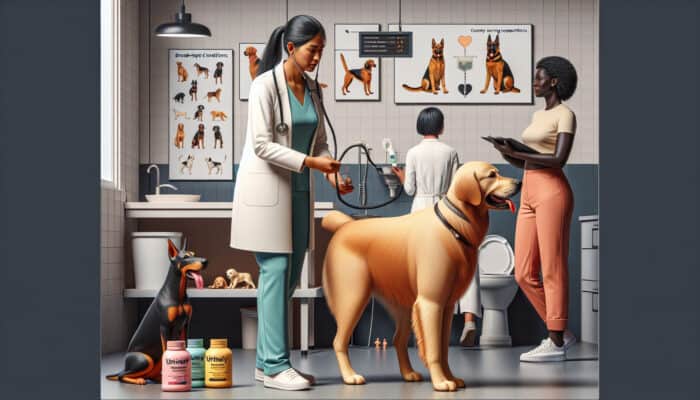
Certain dog breeds demonstrate a genetic predisposition to incontinence. Female breeds such as Doberman Pinschers, Boxers, and Golden Retrievers may experience weakened sphincter muscles, increasing their likelihood of urinary issues. Additionally, spaying female dogs can trigger hormonal changes that contribute further to incontinence. Early awareness of these breed-specific risks is crucial for effective management.
Pet owners can take proactive measures by discussing breed-specific risks with veterinarians and tailoring care plans accordingly. This may involve implementing specialised diets designed to support urinary health, scheduling routine veterinary examinations, or establishing training routines that enhance bladder control. Understanding these breed predispositions enables owners to initiate early interventions, potentially preventing more serious incontinence issues in the future.
Recognising the Symptoms of Canine Incontinence
What Signs Indicate Bladder Control Issues in Dogs?
Identifying early warning signs of bladder control problems in dogs is paramount for effective management and treatment. Symptoms may present as unexpected dribbling of urine or the appearance of wet spots on bedding or floors. If ignored, these signs can escalate, resulting in discomfort and potential health complications for the dog. Owners must remain vigilant in monitoring these indicators, as timely intervention can significantly enhance a dog’s quality of life.
Furthermore, additional symptoms may include an increase in urination frequency, straining to urinate, or displaying signs of distress during attempts to eliminate. Early detection empowers owners to consult veterinarians, uncover underlying causes, and establish suitable care routines. Regular monitoring and observation of a dog's behaviour can be instrumental in identifying signs of incontinence as it develops.
How Do Behavioural Changes Reflect Incontinence in Dogs?

Incontinence can trigger behavioural changes in dogs that may go unnoticed. Many dogs may exhibit lethargy or reluctance to partake in physical activity, which could indicate discomfort arising from urinary issues. These behavioural shifts are often associated with underlying health problems that necessitate prompt attention. Regular veterinary examinations can aid in effectively addressing these complications.
Moreover, dogs may demonstrate heightened anxiety or stress, particularly if they associate certain areas of the home with past accidents. Addressing these behavioural changes through consistent care and positive reinforcement can help maintain the dog's active lifestyle. Regular exercise, mental stimulation, and a nurturing home environment can ease stress and promote emotional stability in affected dogs.
How Do Symptoms of Incontinence Evolve Over Time?
The progression of incontinence symptoms can vary considerably among dogs, making it essential to understand the typical trajectory for developing effective management strategies. Initially, dogs may experience infrequent accidents, which can gradually increase in frequency over time. Without timely intervention, these accidents may lead to skin irritation and discomfort, compounding the incontinence issue. Understanding this progression enables owners to adapt their care routines accordingly.
As incontinence advances, there may be an increased urgency for more frequent accidents, both indoors and outdoors. Owners should closely monitor any changes and adjust their routines to ensure that dogs have ample access to outdoor spaces for regular bathroom breaks. Early intervention and consistent monitoring will enhance outcomes and improve the dog's quality of life.
How Can Pet Owners Recognise Incontinence in Dogs?
What Are the Most Effective Early Detection Methods for Pet Owners?
Spotting subtle signs of incontinence in dogs is crucial for effective management. Monitoring for unexplained puddles or wet spots can help differentiate between normal behaviour and potential concerns. Observing a dog's urination patterns can provide invaluable insights; noticeable changes, such as frequent accidents or damp bedding, indicate the need for further investigation.
In addition to physical signs, owners should remain attentive to any behavioural shifts. If a dog appears unusually restless or anxious during bathroom breaks, this may indicate discomfort related to incontinence. By being proactive, owners can uphold their dog's dignity and health. Early detection facilitates timely veterinary consultations and more effective management strategies.
What Diagnostic Tools Do Veterinarians Use to Evaluate Incontinence?
Veterinarians employ a variety of diagnostic tools to ascertain the underlying causes of incontinence in dogs. The process typically commences with a thorough physical examination to assess the dog's overall health status. Following this, tests like urinalysis are commonly employed to identify infections or other urinary tract issues. This analysis helps determine whether a medical condition is the root cause of incontinence.
Imaging techniques, including ultrasounds, can provide a clearer view of the bladder and surrounding structures. These diagnostic methods aim for precise assessments, leading to effective treatment plans that cater to each dog's specific needs. Collaboration between pet owners and veterinarians during the diagnostic process is crucial for the successful management of incontinence. If incontinence is suspected, consulting a urologist can help rule out serious underlying conditions. Ongoing signs of incontinence or chronic issues necessitate a comprehensive evaluation. Timely intervention can prevent the escalation of more complex health problems, ensuring the ongoing well-being of affected dogs.
Veterinarians can provide expert guidance on potential causes, treatment options, and management strategies tailored to individual dogs. This collaborative approach empowers pet owners to make informed decisions, resulting in improved outcomes and a better quality of life for their pets. Taking prompt action significantly enhances a dog’s comfort and overall health.
Expert Recommendations on Solutions for Canine Incontinence
What Advanced Treatment Options Are Available for Managing Incontinence?
When it comes to managing incontinence in dogs, a variety of options are available, including surgical interventions and hormonal therapies. Hormonal therapies, such as hormone replacement therapy, can effectively address urinary incontinence by strengthening the bladder's control mechanisms. Below is a list of common treatment protocols:
- Hormonal therapies (e.g., DES)
- Anticholinergic medications to reduce bladder spasms
- Botox injections to enhance bladder control
- Surgical procedures to reinforce the bladder neck
- Behavioural training to assist with routine elimination
- Supplemental therapies (e.g., omega-3 fatty acids)
- Urinary tract support supplements (e.g., cranberry extract)
- Environmental modifications (e.g., pet doors for easy access)
These methods have shown success for many dogs, and sharing real-world examples of successful recoveries can enhance owner confidence in pursuing treatment. By collaborating closely with veterinary professionals, pet owners can identify the most effective solutions tailored to their dog's individual needs.
How to Evaluate the Effectiveness of Incontinence Treatments?
Assessing the effectiveness of incontinence therapies is an ongoing process that requires careful monitoring and adjustment. Experts highlight the importance of tracking responses to medications and other interventions over time. Observing a dog’s progress helps identify which treatments yield optimal results and when modifications may be necessary.
Veterinary specialists typically recommend maintaining a log of symptoms, incidents, and behavioural changes to provide a clear picture of progress. This analysis aids owners in adapting strategies based on individual responses and facilitates productive discussions with veterinarians. Emphasising a personalised treatment approach can lead to lasting benefits for dogs experiencing incontinence.
What Continence Treatments Are Effective for Managing Urinary Incontinence?
Effective management of incontinence necessitates careful monitoring, care, and lifestyle adjustments. Specialists recommend establishing a consistent schedule for bathroom breaks to ensure dogs have regular opportunities to relieve themselves. This routine not only supports bladder health but also enhances the dog's stability.
Incorporating medical treatments into daily routines is crucial for sustained improvements. Owners should collaborate with veterinarians to tailor these interventions to their dog’s evolving needs, ensuring that treatments align with the dog’s health and lifestyle. By adopting a proactive management strategy, pet owners can elevate their dogs' quality of life and overall well-being, ensuring they remain happy and healthy for years to come.
What Are the Most Effective Solutions for Canine Incontinence?
What Medical Interventions Can Assist in Managing Incontinence Symptoms?
A multitude of medical interventions is available to support dogs with incontinence, with housing being a common issue. Improving sphincter control can be achieved through specific treatments. Other medical interventions include medications designed to reduce the frequency and severity of incontinence. The appropriate choice of treatment largely depends on the dog's specific condition.
Veterinarians often recommend a combination of treatments, including behavioural training techniques and lifestyle modifications. Regular follow-ups are essential to evaluate the effectiveness of the chosen interventions. By personalising the approach to each dog's unique needs, pet owners can optimise treatment outcomes and minimise the impact of incontinence on their pet's quality of life. Remedies are available for incontinence in dogs. Natural ingredients provide gentle support to enhance bladder function without harsh side effects. Dietary changes, such as including fibre-rich foods or probiotics, can also promote urinary health by supporting optimal digestion and urinary tract function.
These solutions advocate a holistic approach to managing incontinence in daily life. While incontinence remedies can be effective in certain cases, consulting a veterinarian prior to implementing any new treatment is vital to ensure safety and efficacy tailored to their dog’s health needs.
How to Choose the Right Incontinence Solution for Your Dog?
Selecting the appropriate incontinence solution for a dog necessitates careful consideration of factors such as age, breed, symptom severity, and underlying health conditions. A thorough veterinary assessment provides valuable insights into these aspects, helping owners choose the most effective treatment options.
Evaluating the pros and cons of various solutions is crucial for informed decision-making. Owners should take into account not only the potential effectiveness of a treatment but also its possible side effects, costs, and feasibility within their dog’s daily routine. By weighing these factors, pet owners can make informed decisions that align with their dog's health needs and lifestyle.
What Research-Backed Benefits Exist for Solutions to Canine Incontinence?
What Evidence Supports Health Improvements from Incontinence Solutions?
Research indicates that implementing effective solutions for canine incontinence can yield significant health enhancements. Incontinence not only raises the risk of urinary infections but also exacerbates issues in a wet environment. Findings underscore the importance of selecting appropriate products that promote hygiene and well-being for dogs.
Veterinary studies demonstrate that incorporating absorbent products into daily routines can improve health outcomes and minimise complications. By utilising expert analysis, pet owners can gain a better understanding of how these benefits translate into everyday life, leading to improved care for their dogs.
How Can Effective Management Enhance Dogs' Psychological Well-Being?
Effective management of incontinence can yield considerable psychological benefits. By alleviating anxiety related to unexpected leaks, a dog’s overall sense of security is enhanced. This psychological support is essential for fostering strong bonds between dogs and their owners, as it creates a sense of stability and comfort.
By consistently applying effective management strategies, owners can significantly boost their dog's emotional well-being. This improvement fosters healthier interactions and deeper connections, ultimately elevating the overall quality of life for both pets and their owners.
How to Integrate Incontinence Solutions into Daily Routines?
Research suggests that the routine use of aids, such as absorbent products, can minimise disruptions in daily life for both dogs and their owners. Creating a structured environment where solutions are consistently integrated promotes better habits and reduces stress for everyone involved.
For example, incorporating scheduled potty breaks and designating specific elimination areas can streamline the process and minimise accidents. Real-world examples of successful integration illustrate that by developing a routine, owners can foster a supportive environment that enhances their dog’s quality of life and mitigates the effects of incontinence.
Why Are Natural Remedies Beneficial for Managing Incontinence in Dogs?
Natural remedies, including herbal and dietary supplements, provide numerous advantages for managing canine incontinence. These treatments typically exhibit fewer side effects compared to traditional pharmaceutical options, making them a preferred choice for holistic management. For instance, herbal supplements such as cranberry or marshmallow root can support urinary health and enhance bladder control.
These remedies emphasise a gentle approach, focusing on overall well-being. For pet owners, incontinence can be managed safely and naturally, reducing the risks associated with more aggressive treatments.
What Are the Potential Drawbacks of Natural Remedies?
While natural remedies can be effective, they may not suit all cases, especially severe instances of incontinence. It is essential to ensure that other treatments are available and effective. For dogs with significant medical needs, relying solely on natural management methods could delay necessary interventions.
Pet owners should carefully evaluate their dog’s condition and consult with veterinarians before implementing any new treatments. This approach guarantees that natural remedies are used appropriately and effectively, complementing a comprehensive care plan for their pet.
How Effective Are Natural Methods for Managing Incontinence?
Evidence suggests that many dogs experience improvements in incontinence symptoms when using natural remedies. However, results can vary significantly based on individual circumstances. Exploring these methods empowers owners to make informed decisions, tailoring treatment to their dog’s specific needs and responses.
While numerous dogs may benefit from herbal supplements and dietary changes, it is crucial to closely monitor any adjustments. Owners should remain vigilant regarding their dog’s health, ensuring that all treatments align with their overall care strategies for optimal outcomes.
What Factors Should Be Considered When Selecting Natural Remedies for Dogs?
When choosing natural remedies for canine incontinence, it is vital to assess various factors, including the dog's age, breed, overall health, and specific symptoms. Owners should consult veterinarians to ensure the selected options are safe and effective for their pet's individual needs.
It can also be advantageous to consider the dog's lifestyle and preferences. For example, some dogs may respond better to supplements mixed with food, while others may prefer chewable forms. Tailoring the remedy to the dog's unique preferences can enhance compliance and effectiveness, providing optimal support for managing incontinence.
Effective Home Management Strategies for Canine Incontinence
Establishing effective home care routines can significantly alleviate the challenges associated with dog incontinence. Scheduled walks and bathroom breaks not only help manage incontinence but also promote overall health for both pets and owners, fostering a healthier home environment.
Maintaining a tidy living space, including bedding and common areas, greatly contributes to a dog’s comfort. Implementing straightforward practices, such as using washable pads or designating specific elimination areas, can streamline these routines and ease the burden on owners. These proactive measures empower both dogs and owners, enhancing the overall quality of life.
Which Products and Tools Are Effective for Managing Incontinence?
A diverse array of products can assist in effectively managing incontinence. Absorbent incontinence products provide essential support, making home management easier and more efficient. These products promote hygiene and comfort, fostering a positive environment for dogs experiencing incontinence.
Integrating specialised tools into the management process enhances outcomes. Owners should explore various options to select the most suitable products, ensuring adequate support, and monitor progress effectively in Canine Incontinence.
Tracking incontinence status through simple logs enables effective adjustments to care plans. Owners should document the frequency of accidents, any behavioural changes, and the effectiveness of the selected interventions. This proactive approach not only helps identify patterns but also facilitates discussions with veterinarians regarding potential modifications.
Consistent monitoring ensures pet owners can make informed decisions about ongoing management strategies. By staying attuned to their dog’s needs, owners can maintain steady improvements and enhance their dog’s overall well-being.
What Long-Term Strategies Are Most Effective for Managing Incontinence?
How to Establish Sustainable Habits for Incontinence Management?
Developing sustainable habits is crucial for the long-term management of canine incontinence. Regular veterinary visits enable assessments of both conditions and the dog's evolving needs. This long-term focus helps prevent complications associated with incontinence in pets.
In addition to veterinary care, establishing routines that prioritise physical activity, proper diet, and hydration is essential for maintaining urinary health. These habits contribute not only to urinary health but also to overall well-being, ensuring that dogs remain active and engaged throughout their lives.
How to Build Support Systems for Chronic Incontinence Cases?
Creating support systems within pet communities can be invaluable for managing chronic incontinence issues. Engaging with fellow pet owners, veterinarians, and specialised trainers provides opportunities to share insights and experiences. Collaboration enhances resilience and offers a network of support for owners facing similar challenges.
Participating in online forums or local pet groups can facilitate the exchange of strategies, tips, and emotional support, helping owners manage the complexities of chronic incontinence more effectively. An approach that fosters community support bolsters both owner and pet morale.
What Outcomes Can Be Expected from Effective Incontinence Management Strategies?
With consistent management, pet owners can anticipate fewer incontinence incidents and greater stability in their daily lives. It is essential for owners to have realistic expectations while implementing their care plans, understanding that progress may take time.
When dogs receive effective management strategies, they often exhibit improved vitality and emotional well-being. This positive trajectory not only enhances the quality of life for dogs but also strengthens the bond between pets and their owners, fostering a fulfilling companionship amid challenges.
Common Queries Regarding Canine Incontinence
What Are the Primary Causes of Incontinence in Dogs?
The major causes of incontinence in dogs include hormonal imbalances, urinary infections, and neurological disorders. Other contributing factors may also include obesity.
How Can I Tell If My Dog Is Experiencing Incontinence?
Signs of incontinence in dogs may include wet spots, frequent urination, or urination during sleep.
If I Suspect My Dog Has Incontinence, What Should I Do?
If you suspect incontinence, consult a veterinarian for a comprehensive examination. Early diagnosis of incontinence allows for effective management and enhances your dog's quality of life.
Are There Medications for Canine Incontinence?
Yes, various medications exist to help manage dog incontinence, particularly hormonal therapies and anticholinergics, which aim to strengthen bladder control and reduce accidents.
Can My Dog's Diet Influence Incontinence Symptoms?
Yes, a dog's diet can significantly affect its incontinence. Proper nutrition can help mitigate urinary issues and improve overall health.
What Treatments Exist for Managing Incontinence?
Incontinence management can involve dietary adjustments, including supplements like pumpkin seed extract, which support urinary health.
How Can I Treat My Dog's Incontinence at Home?
To effectively manage incontinence, incorporate regular bathroom breaks, maintain a clean living area, and use absorbent pads or belly bands to ensure comfort and hygiene.
Yes, surgical options may be available for certain types of incontinence, especially if medical treatments prove ineffective. Consult a veterinary specialist to discuss potential surgical interventions.
How Often Should I Take My Dog for Bathroom Breaks?
The frequency of bathroom breaks depends on the dog’s age and specific needs. Generally, adult dogs should be taken out at least every 6-8 hours, while puppies may require more frequent breaks.
What Can I Expect During a Veterinary Visit for Incontinence Issues?
During a veterinary visit for incontinence, the vet will perform a physical examination, conduct urine tests, and may recommend imaging to identify the underlying cause. Incontinence Facebook for More Insights!
The Article Incontinence Solutions for Dogs: Effective Management Tips First Published On https://elgatoencasa.com
The Article Incontinence Solutions for Dogs: Top Management Tips Was Found On https://limitsofstrategy.com