Understanding EGFR: Definitions and Its Critical Importance for Kidney Health
What does EGFR signify in the realm of healthcare?
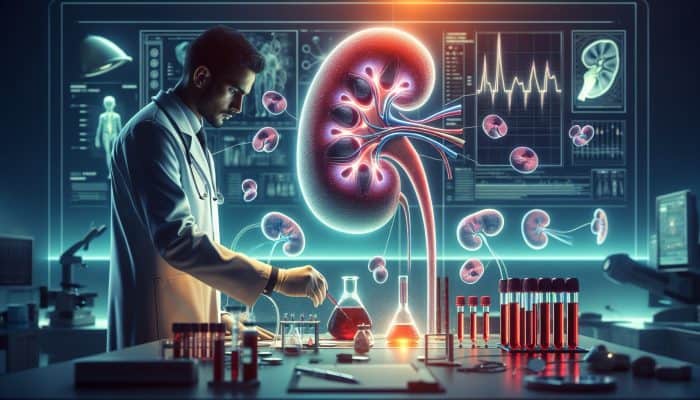
What is EGFR: EGFR stands for Estimated Glomerular Filtration Rate, a pivotal metric used to assess kidney function through blood analysis. This essential assessment is widely employed in various medical settings across the UK, particularly within the NHS, to identify early signs of renal impairment. The interpretation of test outcomes adheres to established guidelines that inform treatment strategies and management decisions. It is crucial for healthcare professionals involved in renal health management to be familiar with related terms. Some important abbreviations in this context include:
- GFR – Glomerular Filtration Rate
- CKD – chronic kidney disease
- U&E – Urea and Electrolytes
- AKI – Acute Kidney Injury
- RRT – Renal Replacement Therapy
- eGFR – Estimated Glomerular Filtration Rate
- Cr – Creatinine
- HTN – Hypertension
Grasping these terminologies is essential for effective communication and for ensuring appropriate care and management for patients experiencing renal issues.

How is EGFR related to kidney health and function?
The estimated Glomerular Filtration Rate (eGFR) acts as a crucial indicator of kidney health, enabling healthcare professionals in the UK to monitor renal function over time. By offering insights into the kidneys’ capacity to filter waste products from the bloodstream, eGFR assists in the early detection of potential renal issues. This proactive identification aligns with national health strategies designed to ensure timely interventions for individuals at risk of kidney-related complications.
For instance, patients with chronic conditions such as diabetes or hypertension undergo regular eGFR assessments, allowing healthcare providers to adjust their management plans as required. This forward-thinking approach not only protects kidney function but also enhances overall patient well-being by reducing the risk of progression to more severe kidney disease.
What factors can affect eGFR levels?
Numerous factors can influence eGFR readings, making regular monitoring essential in clinical practices throughout the UK. Age is a significant contributor, as renal function frequently declines with advancing age, leading to lower eGFR values. Additionally, hydration status plays an important role; dehydration can artificially inflate serum creatinine levels, resulting in misleading eGFR calculations.
Underlying health conditions such as obesity, diabetes, and hypertension can further complicate eGFR readings. Clinicians must consider these factors to ensure precise health assessments and adapt patient care plans accordingly. For example, a diabetic patient may need closer monitoring of their eGFR to guarantee their kidney function remains stable, requiring a tailored treatment strategy.
How can eGFR levels be accurately interpreted?
In the British healthcare context, eGFR levels are evaluated against age-adjusted benchmarks. Typically, values exceeding 60 mL/min/1.73m² indicate normal kidney function, even in older adults. However, readings below this threshold necessitate further investigation, as they may point to impaired renal function. The interpretation process follows NHS protocols, which stress the importance of considering a patient’s medical history, age, and other relevant factors.
Accurate interpretation of eGFR not only facilitates timely interventions but also reinforces effective disease management. For example, if a patient presents with an eGFR of 45 mL/min/1.73 m², healthcare providers may initiate discussions about lifestyle modifications or medication adjustments to help slow the progression of any underlying conditions affecting kidney health.
Diving Deep into the Measurement of EGFR in Clinical Environments
What are the procedural steps involved in EGFR testing?
The process of measuring eGFR typically begins with a straightforward blood test conducted in UK laboratories. Blood samples are collected to analyse serum creatinine levels, which are then used to calculate the eGFR. This methodology provides healthcare providers with a reliable and efficient means to perform routine assessments, ensuring accurate evaluations that conform to local medical standards.
Once the blood samples are obtained, they are dispatched to a laboratory for quantification of creatinine concentrations. The laboratory employs established formulas, such as the Modification of Diet in Renal Disease (MDRD) equation or the Chronic Kidney Disease Epidemiology Collaboration (CKD-EPI) equation, to calculate eGFR. This calculated value furnishes clinicians with critical insights into a patient’s kidney functionality, empowering them to make informed clinical decisions.
Why is precision paramount in eGFR measurements?
Obtaining accurate eGFR results is essential for effective diagnosis and management of kidney health. Inaccurate measurements can lead to misdiagnosis, potentially resulting in inappropriate treatment strategies that fail to address underlying issues. For healthcare practitioners in the UK, reliable data is crucial for tailoring treatments and preventing complications linked to the progression of kidney disease.
For example, an erroneous eGFR measurement may lead to a patient being classified as having normal kidney function, delaying essential interventions. Conversely, false positives may induce undue stress for patients and result in unnecessary medical procedures. Therefore, ensuring precise eGFR measurements through appropriate techniques and protocols is vital for achieving optimal patient outcomes.
What common errors should be avoided during eGFR testing?
A variety of common errors can distort eGFR values, highlighting the importance of adhering to established guidelines throughout the testing process. One significant factor to consider is muscle mass; individuals with greater muscle mass may exhibit elevated serum creatinine levels, leading to a misleadingly low eGFR. In the UK, guidelines stress the necessity for clinicians to take comprehensive patient histories, including details on muscle mass and physical activity levels, to enhance the reliability of results.
Moreover, certain medications can interfere with renal function and impact serum creatinine levels, thereby distorting eGFR readings. Healthcare professionals must be aware of these factors and comply with protocols that ensure optimal testing conditions. By avoiding these common pitfalls, clinicians can improve the accuracy of eGFR tests and ultimately support better patient outcomes through informed clinical decision-making.
How can eGFR results be interpreted effectively?
Interpreting eGFR results in the UK necessitates a nuanced understanding of factors such as age, gender, and body size. For instance, eGFR values can vary significantly among individuals based on these characteristics, requiring tailored interpretations. Healthcare providers must consider these variables to accurately assess kidney function and make informed decisions regarding patient management.
Furthermore, understanding the clinical context is crucial. For example, a relatively young patient with an eGFR of 50 mL/min/1.73 m² may face greater risks of complications than an elderly patient with the same reading, depending on their overall health status. This depth of analysis is vital for formulating personalised treatment strategies and optimising patient outcomes in the management of renal health.
What factors can impact the accuracy of eGFR readings?
Certain lifestyle and physiological aspects significantly influence the accuracy of eGFR measurements in the UK. Hydration status is of utmost importance; dehydration can artificially inflate serum creatinine levels, leading to a misleadingly low eGFR. Consequently, clinicians often emphasise the need to ensure patients are adequately hydrated before testing to improve test reliability.
Additional factors, including dietary habits, physical activity, and existing medical conditions, also substantially affect eGFR accuracy. For example, individuals following high-protein diets may experience elevated serum creatinine levels, which could skew results. Clinicians in the UK must therefore conduct thorough assessments to account for these variables, ensuring accurate eGFR readings and effective kidney health monitoring.
Expert Insights into Understanding EGFR
What expert analyses are available on eGFR interpretation?
Expert analyses of eGFR interpretation in UK contexts reveal that comprehending its nuances is vital for effective clinical practice. For instance, recent studies have indicated that eGFR values can vary significantly across diverse populations, highlighting the need for tailored approaches to interpretation. Such insights underscore the importance of integrating patient history and demographic factors into eGFR evaluations.
Real-world examples further illustrate the role of eGFR in personalised medicine. In one instance, a patient diagnosed with type 2 diabetes exhibited a gradual decline in eGFR over several years, prompting healthcare providers to implement early interventions that included lifestyle modifications and medication adjustments. This proactive approach ultimately led to improved long-term health outcomes, emphasising the potential of eGFR as a crucial tool in chronic disease management.
What key considerations should specialists bear in mind?
Experts highlight several key considerations for specialists when assessing eGFR. An essential factor is the patient’s medical history, which provides valuable context for interpreting results. For instance, a patient with a previous history of kidney disease may require different intervention thresholds compared to an individual without prior renal issues.
Moreover, specialists are encouraged to consider co-existing health conditions that may impact eGFR readings, such as hypertension or cardiovascular disease. By offering actionable guidance to healthcare providers in the UK, specialists can enhance diagnostic accuracy and refine patient care strategies.
What advanced applications of eGFR exist in clinical practice?
Exploring the advanced applications of eGFR in clinical practice reveals its essential role in proactive monitoring. In the UK, specialists increasingly employ eGFR to identify patients at risk of developing chronic kidney disease or those already showing signs of renal impairment. By leveraging eGFR data, healthcare providers can initiate early interventions, including lifestyle changes, medication adjustments, and regular follow-ups.
Numerous real-world examples exist; consider a cohort study that examined patients with hypertension. The findings indicated that those whose eGFR levels were closely monitored demonstrated significantly better control of their blood pressure and overall kidney health compared to those who were not monitored as rigorously. This underscores the efficacy of eGFR not only in monitoring kidney function but also in enhancing overall treatment efficacy and patient outcomes.
Uncovering the Benefits of EGFR Testing in Healthcare
How does eGFR testing enable early detection of kidney issues?
eGFR testing serves as a powerful tool for the early identification of kidney disease, allowing for prompt interventions that can dramatically improve patient outcomes within UK healthcare systems. By routinely monitoring eGFR levels, healthcare professionals can detect potential renal impairment before it escalates into more severe conditions, such as chronic kidney disease.
For example, an individual experiencing a decline in eGFR may be advised to undergo further testing or implement lifestyle changes to safeguard their kidney function. This proactive approach can lead to timely treatments that not only enhance kidney health but also improve overall quality of life through targeted therapies. Early detection promotes a shift from reactive to preventative care, which is a fundamental aspect of contemporary healthcare.
What advantages does monitoring eGFR offer for patient management?
Monitoring eGFR provides numerous advantages for patient management, especially in tailoring treatment plans to mitigate risks and promote sustained health improvements. Medical teams across the UK leverage insights from eGFR to develop personalised care strategies, ensuring that patients receive the necessary support tailored to their individual kidney health profiles.
For instance, a patient with a stable eGFR may follow a different management plan than someone with significantly reduced eGFR. This personalised approach empowers healthcare providers to address specific needs, such as dietary modifications or medication adjustments, ultimately leading to enhanced disease control and improved patient outcomes.
How do regular eGFR assessments contribute to long-term health improvements?
Consistent eGFR evaluations play a vital role in supporting ongoing wellness, enabling patients in the UK to maintain optimal kidney function while avoiding severe complications associated with renal disease. By establishing a routine for monitoring eGFR, healthcare providers can identify trends or shifts in a patient’s renal function that may necessitate intervention.
Moreover, research indicates that individuals who regularly undergo eGFR testing achieve superior long-term health outcomes. For instance, patients receiving consistent monitoring are more likely to adhere to lifestyle changes, ultimately bolstering kidney health and enhancing overall well-being. This evidence-based approach reinforces the necessity of incorporating eGFR testing into everyday healthcare practices.
Research-Backed Advantages of Understanding EGFR
What evidence do key studies provide regarding eGFR?
Research conducted in the UK has consistently highlighted the importance of eGFR in predicting patient outcomes, offering actionable insights for integrating research findings into everyday practice. For instance, a large-scale study established a direct correlation between declining eGFR levels and an increased risk of cardiovascular events, prompting healthcare providers to implement stricter monitoring protocols for high-risk populations.
These findings emphasise the necessity of employing eGFR not only for renal health assessments but also as a valuable indicator for overall health. By staying informed about emerging research, healthcare professionals can enhance preventive care strategies and improve patient education regarding kidney health, ultimately leading to better management of chronic conditions.
How does research influence treatment approaches?
Research underscores the critical role of eGFR in refining therapeutic strategies, with numerous studies illustrating how UK guidelines utilise these insights to improve chronic condition management. For example, emerging data may reveal that certain medications could impact eGFR, prompting healthcare providers to reconsider treatment plans for affected patients.
Real-world examples further illustrate this application: when diabetic patients showed deteriorating eGFR readings, healthcare professionals could adjust their medications or recommend lifestyle changes based on the latest research. Such adjustments not only optimise kidney function but also enhance overall patient health outcomes.
What are the implications of research for future kidney care?
Emerging research on eGFR suggests innovative approaches that could significantly shape UK healthcare strategies in the future. For example, technological advancements may enable more accurate, rapid eGFR testing, facilitating timely interventions and enhanced patient care. Furthermore, ongoing studies exploring genetic factors influencing renal function could pave the way for personalised treatment strategies tailored to each patient’s unique risk profile.
As understanding of eGFR evolves, healthcare providers are encouraged to embrace these developments and incorporate new findings into clinical practice to improve long-term patient outcomes. The implications for future care are profound, offering a pathway toward enhanced monitoring and management of kidney health across diverse populations.
Understanding How EGFR Influences Overall Health
What role does eGFR play in promoting overall well-being?
eGFR significantly impacts general health by indicating kidney efficiency, which is essential for the effective elimination of toxins from the body. In UK practices, low eGFR levels often signal the need for lifestyle modifications to preserve vitality and prevent further decline of kidney function. This connection between kidney health and overall well-being underscores the importance of maintaining optimal eGFR levels.
Moreover, the relationship between kidney function and various bodily processes highlights the necessity for regular monitoring. When patients are informed about their eGFR status, they can actively participate in their health management, leading to an improved quality of life and increased longevity. Ultimately, eGFR serves as a vital marker that informs healthcare decisions and promotes holistic patient care.
How are eGFR levels related to other health conditions?
eGFR levels frequently correlate with a variety of health concerns, including hypertension, diabetes, and cardiovascular diseases. In the UK, healthcare systems prioritise monitoring these interconnected health factors to provide comprehensive patient support and ensure better disease control. For instance, a patient with high blood pressure may also experience fluctuations in their eGFR, prompting healthcare providers to intervene proactively.
Furthermore, effective management of eGFR can improve related conditions. For example, individuals maintaining controlled eGFR levels often experience enhanced blood pressure regulation, thereby minimising their overall risk of cardiovascular events. This interconnectedness underscores the necessity of a holistic approach to patient care that encompasses both kidney health and overall well-being.
What is the impact of eGFR on daily life?
Variations in eGFR can significantly affect a person’s energy levels and daily activities. In the UK, healthcare professionals frequently offer advice on practical adjustments, such as dietary modifications and increased physical activity, to mitigate the effects of low eGFR levels. By focusing on these lifestyle changes, patients can maintain a balanced and active lifestyle, thereby enhancing their overall quality of life.
Moreover, understanding the implications of fluctuating eGFR levels can empower patients to make informed decisions about their health. By recognising the significance of kidney function in their daily lives, individuals are more likely to engage in proactive health management, including regular check-ups and adherence to treatment plans, ultimately fostering better health outcomes.
What are the long-term health implications of low eGFR?
In UK healthcare, persistently low eGFR levels can lead to chronic kidney disease, highlighting the necessity of early detection and management strategies. Regular check-ups, appropriate medications, and lifestyle modifications are critical to averting severe outcomes associated with declining kidney function. For instance, a patient with consistently low eGFR may require more frequent monitoring and tailored interventions to prevent progression to end-stage renal disease.
Moreover, raising awareness about eGFR and its implications can motivate patients to take control of their health. Educational initiatives that underscore the importance of kidney health and regular monitoring can empower individuals to seek timely care, ultimately promoting sustained well-being and reducing the prevalence of chronic kidney disease within the population.
Effective Strategies for Managing EGFR Levels
What strategies can help maintain optimal eGFR levels?
Practical strategies for sustaining optimal eGFR levels in the UK include hydration and dietary modifications. Adequate hydration is essential for kidney health, as it supports the filtration process and prevents the accumulation of toxins in the bloodstream. Healthcare professionals often recommend that patients consume sufficient fluids daily, especially during physical exertion or in hot climates.
Dietary changes are equally important. Patients are encouraged to adopt a balanced diet rich in fruits, vegetables, and whole grains while limiting processed foods high in sodium and saturated fats. Such dietary adjustments can profoundly influence kidney function and overall health. By incorporating these consistent, everyday habits, individuals can better support their kidney health and sustain optimal eGFR levels.
When should individuals seek professional advice regarding eGFR?
Recognising changes in eGFR levels necessitates consultation with UK healthcare experts who can provide tailored guidance to address potential concerns. Patients should take a proactive approach and seek assistance if they observe significant fluctuations in their eGFR readings, particularly when accompanied by other symptoms such as fatigue or swelling.
Healthcare professionals can conduct comprehensive evaluations to ascertain the underlying causes of altered eGFR levels. By seeking timely advice, patients can take the necessary steps to manage their kidney health effectively and prevent further deterioration. This collaborative approach between patients and healthcare providers is essential for optimising kidney function and overall well-being.
What lifestyle tips support kidney health?
- Maintain a balanced diet rich in fruits and vegetables.
- Stay hydrated by drinking adequate fluids daily.
- Engage in regular physical activity to promote overall health.
- Avoid excessive sodium and sugar intake.
- Limit alcohol consumption and refrain from smoking.
- Regularly monitor blood pressure and blood sugar levels.
- Maintain a healthy weight through balanced nutrition and exercise.
- Track eGFR levels through regular consultations with healthcare providers.
These lifestyle recommendations, aligned with UK guidelines, can significantly enhance eGFR levels, ensuring enduring health benefits and improved kidney function over time.
Dispelling Common Myths About EGFR
Is eGFR only relevant for older adults?
A common misconception is that eGFR is pertinent solely to older adults; however, this measure is applicable across all age groups. In UK settings, eGFR is routinely used to monitor kidney function in individuals of all ages, including children and young adults. This widespread application dispels the myth and emphasises the necessity for regular screenings for everyone, regardless of age, to promote kidney health.
By educating the public about the significance of eGFR for all demographics, healthcare professionals can cultivate a culture of proactive health management that encourages individuals to take responsibility for their kidney health through consistent check-ups and increased awareness.
How accurate are public perceptions regarding eGFR?
Public perceptions frequently misrepresent the simplicity of eGFR testing and its implications for health monitoring. In the UK, educational initiatives aim to clarify the true value of eGFR, helping individuals understand its accuracy and relevance. By dispelling myths surrounding eGFR, healthcare providers can foster informed decision-making among patients, alleviating unfounded fears and encouraging proactive engagement in their health.
Furthermore, directly addressing these perceptions can enhance health literacy, empowering individuals to seek necessary testing and monitoring for kidney health without stigma or apprehension. Accurate public understanding of eGFR plays a crucial role in improving health outcomes.
What sources of misinformation exist about eGFR?
Tackling false claims about eGFR requires highlighting reliable UK resources that clarify the facts and support informed decision-making. Misinformation can stem from various sources, including social media and anecdotal narratives. By directing individuals to credible resources, healthcare professionals can effectively counteract myths.
Moreover, community outreach initiatives focused on educating the public about kidney health and eGFR testing can significantly reduce the spread of misinformation. Workshops, seminars, and informational brochures can empower individuals to make informed choices about their health, promoting a more knowledgeable public that prioritises kidney health.
Does a low EGFR always indicate kidney disease?
A common myth suggests that any reduction in eGFR signifies kidney disease. However, in the UK, medical guidelines clarify that while low eGFR values warrant further investigation, numerous factors can contribute to such readings, many of which are often reversible or manageable through lifestyle adjustments. Recognising this can alleviate unnecessary patient concerns and foster a more nuanced understanding of kidney health.
Encouraging regular monitoring and educating patients about the significance of eGFR variations can help individuals maintain a healthy perspective on their kidney health and seek timely interventions when necessary.
Can eGFR levels be improved through diet and exercise?
Many individuals believe that eGFR levels are fixed and immutable; however, UK health resources emphasise that a balanced diet and regular physical activity can positively impact kidney function. By integrating healthy eating habits and exercise into their daily routines, patients can enhance eGFR levels and overall renal health.
This proactive approach motivates individuals to take control of their health, demonstrating that lifestyle modifications can lead to tangible improvements in kidney function. Participating in community health initiatives that promote these lifestyle changes can further aid individuals in improving their eGFR and achieving lasting health benefits.
Frequently Asked Questions About EGFR
What is EGFR, and why is it crucial for kidney health?
EGFR stands for Estimated Glomerular Filtration Rate, a vital measure of kidney function that helps detect early signs of renal impairment.
How is EGFR calculated?
EGFR is calculated using blood creatinine levels, along with factors such as age, gender, and body size, employing established formulas such as MDRD or CKD-EPI.
What do low EGFR levels signify?
Low EGFR levels may indicate impaired kidney function, necessitating further evaluation and potential lifestyle modifications or medical interventions.
How frequently should I have my EGFR tested?
The frequency of eGFR testing depends on individual risk factors, but routine testing is advised for those with chronic conditions or a family history of kidney disease.
Can lifestyle changes positively influence my EGFR levels?
Yes, adopting a balanced diet, staying hydrated, and engaging in regular physical activity can positively impact eGFR levels and overall kidney health.
Are there specific dietary guidelines for maintaining healthy EGFR?
UK dietary recommendations include a diet rich in fruits, vegetables, whole grains, and lean proteins while limiting sodium and saturated fats for optimal kidney health.
What is the relationship between EGFR and blood pressure?
eGFR levels are often linked to blood pressure; lower eGFR can indicate hypertension, and effectively managing blood pressure can help preserve kidney function.
When should I seek medical advice about my EGFR status?
If you observe significant fluctuations in your eGFR readings or experience symptoms such as fatigue or swelling, it is crucial to consult a healthcare professional.
What are the risks associated with ignoring low EGFR levels?
Disregarding low eGFR levels can lead to worsening kidney function and increase the risk of chronic kidney disease, necessitating timely intervention and management.
Is eGFR testing appropriate for all age groups?
Yes, eGFR testing is suitable for individuals of all ages and is essential for comprehensive kidney health monitoring across all demographics.
Join us on Facebook for the latest updates!
This Article Was First Found On https://bloodtest.co.uk
The Article EGFR: Essential Facts and Significance in Medicine Was Found On https://limitsofstrategy.com