Unleashing the Potential of Innovative Edible Packaging Solutions
What Are the Key Ingredients Needed for Crafting Edible Packaging?
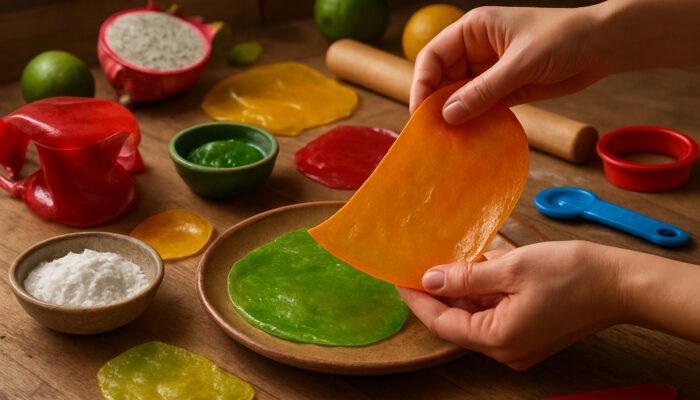
Embarking on your thrilling adventure of creating edible packaging begins with the careful selection of a range of natural ingredients, ensuring both safety for consumption and effective functionality. Essential materials for your edible packaging creations include starches, gels, and proteins. Everyday items such as agar-agar, a gel derived from seaweed, alongside cornstarch, are readily available and can serve as the fundamental components of your edible packaging projects. This hands-on approach not only makes the process enjoyable but also encourages environmentally conscious individuals to explore sustainable packaging alternatives through exciting culinary adventures.
What Are the Essential Steps to Create Edible Packaging Successfully?
The process of crafting edible packaging is both straightforward and efficient, prioritising user-friendliness. Begin by thoroughly mixing your selected ingredients—such as starch or gelatin—until a smooth, homogenous mixture is achieved. Next, mould the mixture into your preferred shapes using simple tools like moulds or a rolling pin. It is crucial to maintain a thin and even layer, as this enhances durability and eliminates the need for synthetic additives. This methodology is particularly important when forming rings that securely encase various food items, making your packaging both functional and practical for everyday applications.
What Are the Advantages of Using Natural Ingredients in Edible Packaging?
Utilising natural components in your edible packaging offers a multitude of benefits, significantly enhancing food sustainability while improving flavour profiles. Key advantages include:
- Reduced waste, as the packaging can be consumed rather than discarded.
- Versatility, allowing for use with a wide array of food items.
- Enhanced consumer safety by avoiding harmful preservatives.
- A positive environmental impact through the use of biodegradable materials.
These features elevate edible packaging beyond a mere trend, positioning it as a viable and innovative solution to contemporary food packaging challenges.
How Is Edible Packaging Applied in Real-World Scenarios?
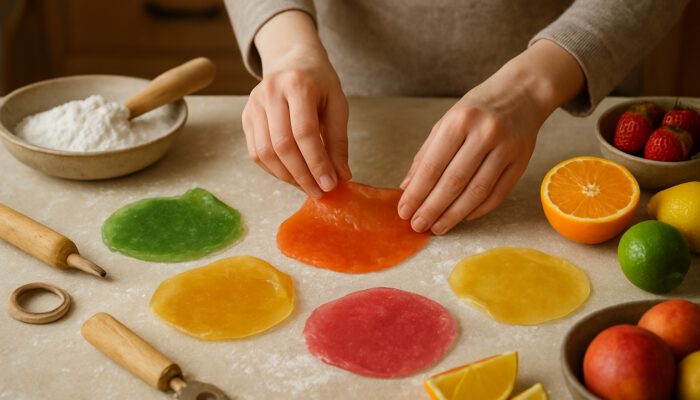
What Factors Influence the Durability of Edible Packaging?
The durability of edible packaging is affected by several factors, including moisture content and temperature variations, both of which can compromise structural integrity and shorten shelf life. It is essential to find a balance in your ingredient ratios; a drier mixture can improve durability, whereas a wetter composition may require more immediate consumption. By experimenting with various ingredient ratios and environmental conditions, you will discover the optimal formulation for your edible packaging, ensuring it meets your practical needs and expectations.
What Challenges Might You Face When Creating Edible Packaging?
During the process of crafting edible packaging, you may encounter various challenges, particularly regarding texture inconsistencies. Common problems such as lumps or uneven thickness frequently arise from inadequate mixing techniques. By refining your preparation methods through careful observation and consistent adjustments, you can significantly improve the quality of your edible packaging. Embrace the trial-and-error process, as each attempt provides valuable learning experiences that will enhance your skills in producing effective edible packaging.
What Effective Techniques Can You Use to Test Your Edible Packaging?
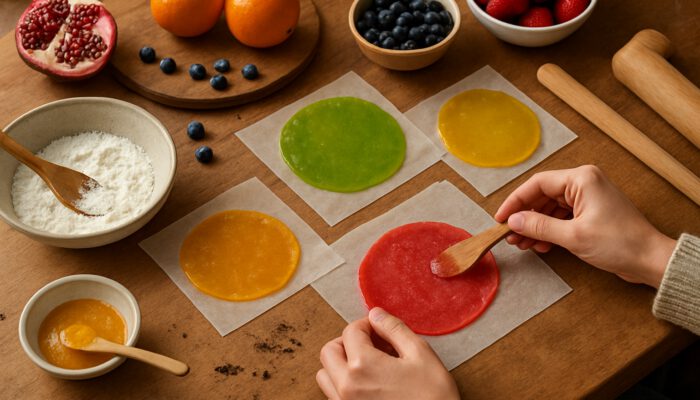
To evaluate the performance of your edible packaging, implement several straightforward testing methods. Firstly, assess the strength of your packaging by gently squeezing it to determine its pliability. Additionally, perform a moisture test by wrapping a damp food item and observing how the packaging reacts over time. These evaluations will confirm both the safety and reliability of your edible packaging before it is put to use, ensuring it meets your high standards.
What Common Materials Are Used in Making Edible Packaging?
Common materials employed in the creation of edible packaging include starches and proteins, both of which are critical for developing a robust and effective structure. Starches sourced from ingredients such as potatoes or corn are widely available in many households and provide excellent binding properties. Additionally, proteins found in gelatin or casein enhance the strength and flexibility of the packaging. By sourcing these materials locally in Australia, you not only support local businesses but also promote sustainable practices by reducing transportation footprints.
What Steps Are Involved in the Process of Making Edible Packaging?
The process of producing edible packaging consists of several crucial steps, starting with the selection of ingredients. Once you have gathered your materials, combine them with water and apply heat as needed to dissolve and activate the components. You can then shape and dry the mixture into sheets or various shapes using simple moulds or trays. Maintaining hygiene throughout this process is essential; ensure all tools and surfaces are thoroughly cleaned to prevent contamination. Innovations in technology, such as dehydrators, can greatly streamline the drying phase, resulting in improved outcomes for your edible packaging.
Expert Tips for Crafting High-Quality Edible Packaging
What Techniques Ensure Thorough Mixing of Ingredients?
Achieving a uniform mixture of ingredients is crucial for the successful production of edible packaging. Techniques such as using a whisk or an electric mixer facilitate the incorporation of air, aiding in achieving a smooth consistency. Real-world examples illustrate the effectiveness of employing a blender for starch-based mixtures, as high-speed blending yields a consistent texture, effectively preventing lumps and ensuring a uniform end product that meets your expectations.
What Advanced Considerations Should You Keep in Mind When Selecting Ingredients?
When choosing your ingredients, prioritising high-quality bases is vital for both flavour and structural integrity. Opt for organic or locally sourced starches and proteins whenever possible, as these selections significantly enhance the overall quality of your packaging. Additionally, consider the specific applications of your edible packaging; if wrapping fatty foods, using protein-rich materials can provide added sturdiness and improve performance, ensuring your packaging effectively meets the demands of the food it encases.
How to Perfect the Final Product of Your Edible Packaging?
Refining the final product of your edible packaging requires attention to critical details such as sealing edges and employing appropriate storage methods. Enhancing your packaging may also involve adding layers or coatings to boost durability and visual appeal. Conducting taste tests with various food items will provide insights into improving flavour integration, ensuring that your edible packaging remains functional and enjoyable for lasting results.
Critical Ingredients Needed for Preparing Edible Packaging
What Fundamental Ingredients Should You Collect to Make Edible Packaging?
To effectively create edible packaging, it is essential to gather a selection of everyday ingredients that form the foundation of your project. Key components include:
- Cornstarch
- Agar-agar
- Gelatin
- Fruit purees
- Vegetable gels
These items ensure both accessibility and cost-effectiveness, making it easier for anyone to delve into the fascinating realm of edible packaging.
What Tools Are Essential for the Edible Packaging Creation Process?
Having the right tools on hand can streamline your edible packaging production process, enhancing overall efficiency. Consider acquiring the following essential items:
- Moulds for shaping the packaging
- Mixing bowls for combining ingredients
- Whisk or mixer for thorough blending
- Spatula for spreading mixtures
- Oven or dehydrator for effective drying
Equipping yourself with these tools will minimise complications and enrich your overall experience during the creation of your edible packaging.
What Alternatives Can You Use as Common Ingredient Substitutes?
Throughout your journey to create edible packaging, you may encounter challenges in sourcing specific ingredients. Fortunately, alternative options are available. For example, if agar-agar proves difficult to find, gelatin can often serve as a suitable substitute in many recipes. Likewise, other starches, such as arrowroot, can replace cornstarch, offering flexibility while maintaining quality in your packaging.
Where Can You Source Your Ingredients for Edible Packaging?
Securing high-quality ingredients and tools is crucial for a smooth preparation process. In Australia, consider visiting local farmers’ markets for fresh produce and specialty stores for unique items like agar-agar and other natural gelling agents. Accessing quality ingredients supports local economies while enhancing your edible packaging creations.
What Are the Major Benefits of Implementing Edible Packaging?
How Does Edible Packaging Contribute to Environmental Sustainability?
Edible packaging plays a vital role in promoting environmental well-being by significantly decreasing pollution and waste. Unlike traditional plastics, it biodegrades naturally, reducing contributions to landfills. Incorporating edible packaging into your daily routines is straightforward; consider using it for takeaways and meal preparation. By making conscious choices that favour edible solutions, individuals can dramatically lessen their environmental impact while positively contributing to the planet’s health.
What Practical Benefits Does Edible Packaging Provide in Daily Life?
Integrating edible packaging into your daily life offers numerous practical advantages. It enhances convenience by eliminating the need for separate disposal, ensuring that food items are both protected and safe for consumption. This dual functionality renders edible packaging an ideal choice for wrapping snacks, lunches, or meals, catering to busy lifestyles while promoting sustainability and reducing waste.
What Potential Drawbacks Should Be Considered When Using Edible Packaging?
While edible packaging presents numerous advantages, potential drawbacks merit consideration. A significant factor is shelf life; some edible options may not last as long as conventional packaging. To mitigate this issue, focus on using high-quality ingredients and adhering to proper storage practices to ensure your packaging retains its integrity over time, balancing practicality with sustainability.
What Economic Advantages Can Edible Packaging Provide?
Embracing edible packaging can yield economic benefits for both manufacturers and consumers. For businesses, utilising fewer resources and generating less waste results in reduced operational costs, which can lead to lower prices for consumers. For consumers, incorporating local talent into the production of edible packaging fosters a mutually beneficial scenario that supports the local economy while encouraging sustainable practices.
What Innovations and Future Trends Are Emerging in Edible Packaging?
Research in edible packaging is progressing, with innovations such as algae-based films gaining popularity. These new materials not only improve durability but also enhance flavour integration, paving the way for more sustainable food storage solutions. Australians are encouraged to experiment with these innovative materials in their home cooking and events, further fostering acceptance and understanding of the numerous benefits that edible packaging can offer.
Research-Backed Benefits of Creating Edible Packaging
What Studies Confirm the Safety of Edible Packaging?
A plethora of scientific studies validate the safety of edible packaging, confirming its non-toxic properties. Real-world examples demonstrate successful applications in various culinary and commercial contexts, showcasing how safe and effective this innovative packaging method can be. By choosing reliable ingredients and adhering to best practices, you can confidently craft your own edible packaging at home, assured that it meets the highest safety standards.
How Can You Enhance the Nutritional Value of Your Edible Packaging?
To elevate the nutritional profile of your edible packaging, consider adding nutrient-rich components such as fruit purees or vegetable extracts. These enhancements not only boost flavour but also offer additional health benefits. When crafting your packaging, aim to strike a balance between taste and nutrition, creating a wholesome product that serves its purpose while complementing the contents it encases.
What Are the Long-Term Effects of Using Edible Packaging?
The long-term effects of adopting edible packaging are substantial, particularly regarding sustainability and consumer behaviour. As more individuals embrace these eco-friendly alternatives, a collective shift towards minimising dependence on non-biodegradable materials is likely. By consistently engaging with and utilising edible packaging, you actively contribute to a broader cultural shift towards sustainability, inspiring others to follow suit.
Comprehensive Guide to Assembling Edible Packaging
What Is the First Preparation Step for Crafting Edible Packaging?
The initial preparation phase is crucial for the successful assembly of edible packaging. Start by accurately measuring your ingredients; this foundational step establishes the tone for the entire process. Key tasks during this stage include:
- Gathering all necessary ingredients and tools
- Precisely measuring starches and gels
- Preparing your workspace to ensure cleanliness
- Selecting suitable moulds for shaping
By laying a solid groundwork, you will ensure a smoother assembly process as you progress with creating your edible packaging.
How to Effectively Shape and Form Your Edible Packaging?
Accurately shaping and forming your edible packaging is essential for achieving a consistent product. Techniques such as rolling the mixture into even layers and pressing it into moulds will yield uniform thickness and strength. Take your time during this step; precision at this stage will pay dividends later, enhancing both the functionality and visual appeal of your final product.
What Final Enhancements Should Be Made for Completion?
The final enhancements to your edible packaging involve adding layers or coatings to increase protection and durability. This stage may include dusting with cornstarch or applying a light coating of oil to enhance resilience. Completing these final touches ensures that your product is ready for immediate use, presenting an attractive and functional option for various food packaging needs.
How to Safely Store Edible Packaging?
What Conditions Must Be Maintained to Preserve the Quality of Edible Packaging?
To maintain the quality of your edible packaging, store it in cool, airtight containers. This practice helps preserve the material’s integrity. By closely monitoring storage conditions, you can significantly extend the shelf life of your edible creations, ensuring they remain fresh and functional for their intended purpose.
What Common Issues Arise During the Storage of Edible Packaging?
Common storage issues include moisture absorption, which can lead to degradation over time. To combat this problem, ensure your packaging is thoroughly dried before storage, and consider using moisture-absorbing packets in the container if necessary. Being aware of these potential challenges will help you maintain the quality of your edible packaging for extended periods.
What Effective Methods Can You Implement to Check for Freshness in Edible Packaging?
To ensure your edible packaging remains fresh, conducting regular integrity checks is essential. Look for signs of spoilage, such as changes in texture or colour. Perform a gentle squeeze test; if the packaging feels excessively soft or sticky, it may indicate that it is past its prime. By staying vigilant and proactive, you can ensure both the safety and usability of your edible creations.
Avoiding Common Mistakes When Crafting Edible Packaging
What Measurement Mistakes Are Common in Ingredient Preparation?
One of the most frequent errors when creating edible packaging is neglecting precise ingredient measurements. Common pitfalls include excessive liquid, leading to a soggy texture, such as:
- Failing to measure starches accurately, resulting in inconsistent thickness.
- Overlooking the importance of ingredient temperature.
- Not accounting for moisture in the final product.
By paying close attention to these factors, you can significantly improve your results and create more effective edible packaging.
How to Troubleshoot Texture Issues in Edible Packaging?
If you encounter texture problems such as stickiness or unevenness, effective troubleshooting becomes important. Address these inconsistencies by adjusting the ratios of dry ingredients to liquids. If your packaging is too sticky, consider adding a bit more starch to balance the mixture. This iterative approach will help refine the process, resulting in better outcomes with each batch of edible packaging you create.
What Tips Can Boost Successful Experimentation in Edible Packaging Creation?
Successful experimentation involves a willingness to iterate and learn from each attempt. Start small with ingredient ratios; minor adjustments can lead to significant changes in results. Documenting your findings provides valuable insights and enhancements for future batches. Embrace the journey of discovery in creating edible packaging, as each experiment contributes to your overall expertise and mastery of this innovative method.
Frequently Asked Questions About Edible Packaging
What Materials Are Utilised in the Creation of Edible Packaging?
Edible packaging is typically crafted from natural ingredients such as starches, proteins, and gels, all of which are safe for consumption and biodegradable.
Can I Create Edible Packaging at Home?
Absolutely! Making edible packaging at home is entirely feasible using common ingredients like cornstarch, agar-agar, and gelatin, following straightforward recipes and techniques.
What Is the Shelf Life of Edible Packaging?
The shelf life of edible packaging varies based on the ingredients used and storage conditions; however, it generally lasts from a few days to a couple of weeks when stored correctly.
Is Edible Packaging Safe for Consumption?
Yes! Edible packaging is specifically designed to be safe for consumption, provided that high-quality, food-grade ingredients are utilised throughout the preparation process.
What Are Some Practical Uses for Edible Packaging?
Edible packaging can effectively wrap snacks, sandwiches, and even takeaway meals, making it a versatile alternative to traditional packaging options.
Can I Add Flavour to My Edible Packaging?
Indeed, you can easily flavour your edible packaging by incorporating natural flavourings, such as fruit purees or herbs, during preparation.
How Should I Store Edible Packaging?
Store your edible packaging in a cool, dry place within airtight containers to prevent moisture absorption and maintain optimal freshness.
Can Edible Packaging Be Frozen?
Freezing is generally not recommended for edible packaging, as it can alter the texture and effectiveness of the packaging for wrapping food items.
What Environmental Benefits Does Edible Packaging Provide?
Edible packaging aids in reducing waste and pollution by biodegrading and eliminating the need for plastic alternatives.
Are There Commercial Products Available That Utilise Edible Packaging?
Yes, several companies are actively developing commercial edible packaging products, often made from seaweed, plant-based materials, and other natural ingredients, catering to eco-conscious consumers.
Connect with us on Facebook!
The post How to Make Edible Packaging at Home: Easy DIY Recipes appeared first on https://cookinggods.com
The Article Edible Packaging: Simple DIY Recipes to Try at Home Was Found On https://limitsofstrategy.com
The Article Edible Packaging: Easy DIY Recipes for Home Use found first on https://electroquench.com