Master Kitten Grooming: Essential Techniques for Caring for Your Feline Companion
What Are the Fundamental Elements of Effective Grooming Techniques for Kittens?
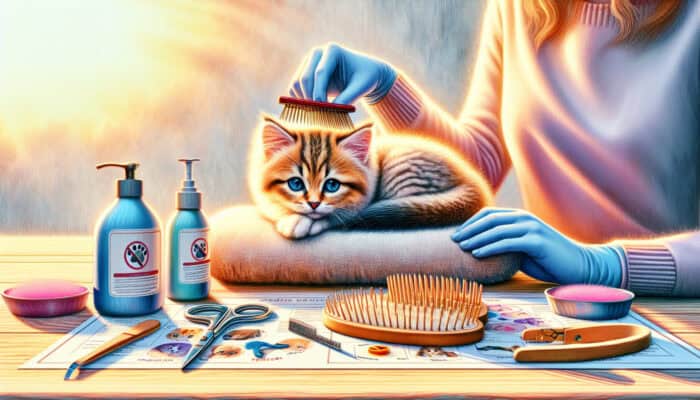
Introducing effective grooming techniques to your kittens is essential for fostering a deep bond that cultivates trust between you and your cherished pet. Successful grooming is not just about aesthetics; it involves gentle handling, establishing a consistent routine, and utilising the right tools to ensure your kitten's comfort during each session. The fundamental tools that are indispensable for effective grooming include:
- Soft-bristled brushes
- Fine-toothed combs
- Pet-safe shampoos
- Nail clippers
- Ear cleaning solutions
- Flea combs
Each of these vital tools serves a unique purpose, and using them correctly can significantly enhance your kitten's grooming experience, transforming it into an enjoyable activity for both you and your furry friend.
How Does Early Socialisation Influence the Effectiveness of Grooming?
Early socialisation is crucial for developing a positive association with grooming by acclimatising your kittens to handling and care routines. Engaging in positive interactions during their formative weeks lays the groundwork for lifelong hygiene habits that not only bolster their health but also help prevent behavioural issues later on. By employing positive reinforcement techniques, such as providing treats or verbal praise during grooming sessions, you can create a stress-free environment where your kittens feel comfort, security, and love, ultimately leading to a happier pet.
What Indicators Suggest That Your Kitten Needs Grooming Attention?
Identifying when your kitten requires grooming is vital for ensuring their overall health and well-being. Common signs include matted fur, dirty paws, or excessive shedding. Addressing these issues promptly involves gently brushing out mats, using a damp cloth to clean their paws, and establishing a regular routine of grooming checks. This proactive strategy not only promotes a healthy coat but also ensures your kitten remains comfortable and happy, contributing positively to their overall well-being.
How to Seamlessly Introduce Grooming to Your Kittens?
What Steps Can Ensure a Seamless First Grooming Session?
To ensure a smooth first grooming experience, begin by gradually introducing your kitten to grooming tools before attempting to groom them. Allow your kitten to sniff and explore brushes and combs, helping them associate these items with positive experiences. Use treats and a soothing tone to establish a routine where grooming becomes an integral part of their daily care, enabling them to feel secure and relaxed throughout the process. This gentle introduction lays a solid foundation for future grooming sessions, making them less stressful.
What Common Challenges May Occur During Initial Grooming Sessions?
Initial grooming sessions often present challenges, such as your kitten resisting or scratching during the process. Patience is paramount; should your kitten become anxious or agitated, take a break and redirect their focus to a playful activity to alleviate stress. By conducting short, positive grooming sessions, you can gradually help them acclimatise over time, paving the way for a successful and comfortable grooming journey as your kitten grows. Remember, the ultimate goal is to make grooming a pleasant experience.
How Frequently Should Beginners Initiate Grooming Sessions for Their Kittens?

When determining grooming frequency, beginners should take into account their kitten's age and breed. Generally, starting with weekly grooming is a wise choice. This regularity not only helps maintain coat health but also ensures that the grooming process remains manageable, preventing overwhelm for your pet. As your kitten matures, be prepared to adjust grooming frequency according to their coat type and individual needs, fostering optimal health and comfort for your furry companion.
What Essential Tools and Products Are Recommended for Grooming Kittens?
Selecting the right brushes, combs, and shampoos is fundamental for effective kitten grooming. Seek gentle, kitten-specific tools designed to avoid injury or discomfort during grooming sessions. Introducing grooming tools through playful interactions can help familiarise your kittens with the items they will encounter, promoting a positive experience and encouraging consistent long-term coat care that supports their overall hygiene.
Expert Strategies for Successfully Introducing Grooming to Kittens
What Expert Recommendations Ensure Safe and Effective Grooming Practices?
Veterinary professionals advocate for several actionable steps to guarantee safe and pleasant kitten grooming experiences. Start by securely and gently holding your kitten. Use slow, deliberate movements while incorporating familiar scents or toys to enhance their comfort level. Real-world examples reveal that successful grooming routines heavily depend on building trust and gradually increasing handling, resulting in calmer and more enjoyable grooming sessions for both you and your kitten.
What Are the Key Principles for Maintaining Optimal Hygiene in Kittens?
Expert analysis underscores the significance of preventive care in preserving good kitten hygiene. Regular grooming not only reduces shedding and prevents matting but also facilitates early detection of potential skin issues and parasites. Tailoring your grooming approach to meet your kitten's specific needs—taking into account their coat type and temperament—ensures effective hygiene management, thereby creating a healthier environment that promotes growth and well-being.
How Do Experts Recommend Tracking Grooming Progress Over Time?
Monitoring your kitten's grooming progress is vital for achieving long-term success in their care. Professionals suggest observing behavioural changes as you establish grooming routines. Keeping a record of each session can assist in tracking improvements in their comfort levels. Consider implementing these monitoring techniques:
- Weekly grooming logs
- Behavioural observations during grooming
- Visual assessments of coat condition
- Tracking reactions to different grooming tools
These strategies provide valuable insights to adjust grooming routines as necessary, ensuring the best experience for your kitten and promoting their overall well-being.
What Tools Are Essential for Effective Kitten Grooming?
How Can You Select the Most Suitable Brushes and Combs for Your Kittens?
Selecting the right brushes and combs for your kittens is critical for effective grooming. For short-haired kittens, a soft brush is typically sufficient, while long-haired breeds may require a wide-toothed comb to gently detangle their fur. Ensuring that the tools are specifically designed for kittens helps prevent irritation and enhances their overall grooming experience. Regularly inspect your grooming tools for signs of wear and replace them as needed to maintain their effectiveness and ensure your kitten's safety.
What Essential Supplies Should Be Included Beyond Basic Brushes for Grooming?
Alongside basic brushes, a comprehensive grooming kit for kittens should encompass shampoos formulated specifically for young cats, nail clippers, and ear-cleaning solutions. Each of these supplies serves a unique purpose—shampoos maintain coat hygiene, nail clippers prevent overgrowth, and ear cleaners reduce the risk of infection. Having a complete grooming kit equips you to effectively address all aspects of your kitten's grooming needs, ensuring their overall well-being and comfort.
What Features Make a Grooming Kit Beginner-Friendly for New Pet Owners?
A beginner-friendly grooming kit comprises tools prioritising safety and ease of use, empowering new owners to gain confidence in their grooming routines. Seek ergonomic handles on brushes, safety locks on clippers, and tools accompanied by clear usage instructions. Kits designed for beginners often include step-by-step guides and are compact for easy handling, simplifying the grooming process and promoting regular practice for effective results while ensuring your kitten's safety.
How Should Grooming Tools Be Stored Safely to Ensure Longevity?
Proper storage of grooming tools is essential for preserving their condition and maintaining hygiene. Utilise suitable cases or bags to keep your tools organised and protected from damage. Store grooming supplies in a clean, dry location to prevent contamination. Keeping your tools easily accessible yet secure encourages routine use while minimising the risk of injury during grooming sessions, ensuring a safer experience for both you and your kitten.
How Do Professional Grooming Tools Compare to Those Designed for Home Use?
When comparing professional-grade grooming tools with everyday home-use options, several factors warrant consideration. Professional tools typically showcase greater durability and longevity but often come with a higher price tag. In contrast, home-use tools focus on ease of use and safety, catering specifically to novice groomers. Understanding these differences enables owners to select the tools that best meet their needs while ensuring effective grooming outcomes for their kittens.
Research-Backed Benefits of Introducing Grooming to Kittens
How Does Regular Grooming Enhance Health Outcomes in Kittens?
Research indicates that regular grooming can significantly improve health outcomes in kittens. Studies demonstrate that it decreases the likelihood of developing skin issues and fosters stronger bonding between owners and their pets. Implementing regular checks during grooming promotes physical health through the early detection of potential problems while reinforcing emotional well-being by strengthening the trust and connection between the kitten and the caregiver. This holistic approach benefits both the kitten's health and the owner's peace of mind.
What Long-Term Benefits Can Be Gained from Early Grooming Practices?
Engaging in grooming routines early in a kitten's life yields numerous long-term benefits, including enhanced immune responses and reduced stress levels. Experts assert that developing grooming habits fosters sustained vitality and overall wellness in kittens, enabling them to grow into healthy, well-adjusted adults. Integrating grooming into your early care regimen establishes a foundation for a lifetime of health benefits that significantly contribute to your kitten’s quality of life and happiness.
Why Is Consistency in Grooming Practices Emphasised in Research?
Consistency in grooming practices is vital for establishing positive habits. Research reveals that kittens exposed to regular grooming routines exhibit improved behaviour and reduced anxiety during sessions. Successful examples illustrate that steady practices yield better comfort results and a greater willingness to engage in grooming. Consider these research-supported tips to enhance your grooming routine:
- Establish a specific grooming schedule.
- Use positive reinforcement consistently.
- Monitor grooming sessions for signs of stress.
- Gradually increase grooming duration over time.
What Evidence Supports Grooming as a Preventive Measure Against Common Kitten Ailments?
Studies suggest that introducing grooming early significantly reduces the risk of common ailments in kittens, such as fleas and ear mites. Regular grooming routines not only facilitate early detection of these issues but also promote overall health by maintaining a clean coat and alleviating stress on the animal. Pet owners should implement daily grooming practices that support their kitten’s long-term health and well-being, helping them thrive in their environment.
When Is the Right Time to Begin Grooming Kittens?
What Is the Optimal Age for Initiating Grooming Practices?
The ideal age for commencing grooming is around 4-6 weeks, a period when kittens become increasingly mobile and receptive to new experiences. During this stage, employing gentle introduction methods—such as brief grooming sessions paired with positive reinforcement—helps to prevent overwhelming your young kittens. Establishing a grooming routine early ensures it becomes a natural, stress-free part of their daily care, fostering a sense of security and comfort.
How Can Grooming Techniques Be Adapted for Various Stages of Kitten Growth?
As your kittens grow, grooming techniques may need to be adjusted to accommodate their energy levels and evolving coat types. For younger kittens, brief and gentle sessions are suitable, while older kittens may require more thorough grooming. Tailoring your approach to their developmental stages ensures effective care while nurturing positive associations with grooming throughout all phases of their growth, leading to better overall experiences and health outcomes.
What Behavioural Signs Indicate Readiness for Advanced Grooming Techniques?
Behavioural cues can signal when a kitten is ready to transition to advanced grooming techniques. Signs such as increased calmness during initial sessions, curiosity towards grooming tools, and the ability to remain still for extended periods all suggest readiness for more comprehensive grooming practices. Gradually introducing these advanced techniques is essential to ensure a safe and effective progression in their grooming journey, making the process enjoyable for both you and your kitten.
Establishing a Consistent Grooming Routine for Kittens
What Strategies Can Help Integrate Daily Grooming Into Your Routine?
Incorporating grooming into your daily schedule can significantly enhance adherence to your routine while promoting your kitten's comfort. Establish specific grooming times, such as post-meals or following playtime, to create a consistent schedule. Using toys or treats during grooming can transform the experience into a delightful activity, making it a cherished part of your kitten’s daily routine rather than a chore to be endured. This positive reinforcement encourages your kitten to look forward to grooming sessions.
How Can You Effectively Manage Interruptions in Grooming Routines?
Grooming interruptions may occur, but it is essential to address them effectively to maintain proper hygiene. If your grooming routine is disrupted, focus on quick recovery strategies, such as resuming sessions in short bursts to re-establish familiarity. Gently reintroducing grooming tools and techniques can help restore comfort without causing distress, thereby ensuring that your kitten continues to feel safe during grooming. Consistency is key to fostering a positive grooming experience.
What Long-Term Tips Can Ensure Grooming Success for Your Kitten?
Adapting grooming routines as your kittens mature is crucial for their ongoing health and happiness. Maintain flexibility in your approach, taking into account changes in their coat type and temperament. Regularly reassess your grooming techniques and exercise patience during your kitten's development. Committing to long-term grooming fosters a strong bond between you and your kitten while ensuring lifelong health benefits for your furry companion and instilling good habits from an early age.
Frequently Asked Questions about Kitten Grooming
What Grooming Tools Are Necessary for My Kitten's Care?
Essential grooming tools encompass brushes, combs, shampoos, and nail clippers. These tools are vital for effectively caring for your kitten's coat and maintaining hygiene, ensuring a healthy and happy pet.
How Often Should I Groom My Kitten for Optimal Results?
Kittens should ideally be groomed at least once a week. This regularity aids in maintaining their coat health and allows you to effectively monitor their skin condition for any potential issues.
At What Age Should Grooming Practices Begin for My Kitten?
Begin grooming your kitten around 4-6 weeks of age. This timing is ideal for them to start adapting to new experiences and to benefit from gentle grooming sessions that promote comfort and trust.
What Indicators Suggest My Kitten Needs Grooming?
Signs that your kitten may require grooming include matted fur, excessive shedding, and dirty paws. Regular checks can assist you in maintaining their coat in optimal condition, ensuring their health and happiness.
What Should I Do If My Kitten Resists Grooming?
If your kitten resists grooming, aim to create a more positive atmosphere by incorporating treats and shortening the grooming sessions. Patience and gradual conditioning are essential for success, helping your kitten to become more comfortable with the process.
Can Regular Grooming Alleviate My Kitten’s Anxiety Levels?
Yes, consistent grooming can help reduce anxiety by establishing a calming routine, reinforcing trust between you and your kitten, and creating a more relaxed environment overall that promotes their well-being.
What Is the Safest Way to Clean My Kitten’s Ears?
Use a cotton ball slightly dampened with a pet-safe ear cleaner to gently wipe the outer ear area. Avoid inserting anything into the ear canal to prevent injury and ensure your kitten's safety.
Which Grooming Tools Are Safest for Young Kittens?
Utilise soft-bristled brushes, gentle combs, and kitten-safe shampoos. Always select tools designed for their delicate skin and specific needs to ensure a comfortable grooming experience.
How Can I Introduce Grooming Tools to My Kitten Effectively?
Gradually introduce grooming tools by allowing your kitten to sniff and interact with them. Associate these tools with positive experiences, such as treats or playful interactions, to build familiarity and reduce apprehension.
What Steps Should I Take If My Kitten Has Mats in Their Fur?
Gently work out mats using a comb or brush, taking care not to hurt your kitten. If mats are significant or severe, consider seeking professional grooming assistance to avoid injury and ensure your kitten remains comfortable.
Connect with us on Facebook today!
The Article Grooming Introduction for Kittens: A Beginner’s Guide First Published On https://elgatoencasa.com
The Article Kittens Grooming Guide: Essential Tips for Beginners Was Found On https://limitsofstrategy.com
The Article Kittens Grooming Guide: Essential Tips for New Owners found first on https://electroquench.com