Essential Ingredients for Mastering the Art of Roux
Choosing the Best Flour Types for Perfect Roux Creation
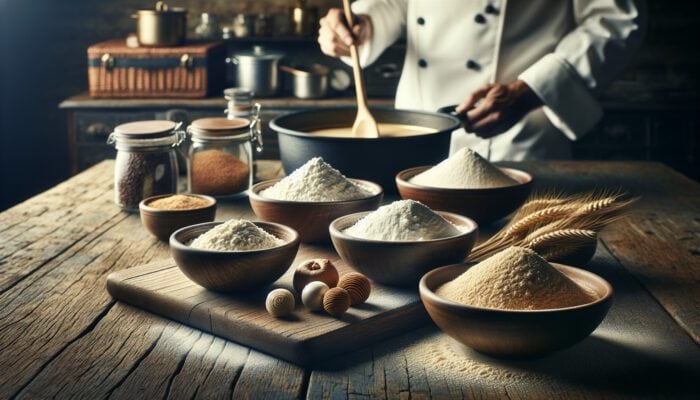
At the core of any exceptional roux lies the selection of the ideal strong flour, renowned for its high gluten content that forms a solid foundation for thickening sauces. While all-purpose flour is often preferred for its practicality and adaptability, it is worthwhile to consider alternatives such as whole wheat flour or rice flour to enrich the flavour profile. Whole wheat flour adds a pleasant nutty flavour, whereas rice flour provides a lighter texture, making it an excellent choice for more delicate sauces. By experimenting with various flour combinations, such as mixing all-purpose flour with whole wheat, you can achieve a delightful balance that enhances your sauce without overwhelming it.
Additionally, gluten-free flour options, including almond or chickpea flour, are becoming increasingly popular among health-conscious chefs. When selecting the flour, it is essential to consider its protein content; flours with higher protein levels yield a thicker consistency. For the best results, test small batches to discover the perfect blend that aligns with your flavour and thickening needs.
In professional kitchens across the globe, chefs routinely experiment with diverse flour types to identify the best match for particular sauces. For example, semolina flour can significantly enhance the texture of cheese sauces, while blending various flours can help attain the desired thickness for rich gravies. Understanding the distinct properties of each flour type and how they react to heat is crucial for mastering the intricate art of roux preparation.
Identifying the Most Suitable Fats for Roux Creation
The choice of fat in roux preparation plays a pivotal role in determining the ultimate texture and flavour of your sauce. Butter is the traditional favourite, celebrated for its rich taste and capacity to produce a silky base. However, alternatives such as olive oil or canola oil can also yield exceptional results, especially in recipes that call for a lighter touch. The primary objective is to achieve a harmonious balance between fat and flour, ensuring that the components meld seamlessly.
When using butter, melt it gently over low heat to avoid burning. Opting for unsalted butter grants you better control over the seasoning of the final dish. For those eager to explore alternatives, ghee is an excellent option; its high smoke point makes it suitable for high-heat cooking, and it introduces a unique flavour profile.
Ultimately, the consistency of your roux hinges on the type of fat used and how it is managed during cooking. For a more luxurious sauce, consider incorporating a touch of bacon fat or duck fat for added depth. Be mindful that fats with strong flavours should be used sparingly, as they can easily dominate the overall taste of your sauce.
Accurate Measurement Methods for Successful Roux Preparation
Accurate measurement of ingredients is crucial when preparing roux, as it directly influences the sauce’s thickness and texture. The classic ratio for roux typically comprises equal parts flour and fat by weight; however, adjusting these ratios can lead to varied outcomes. For instance, adding slightly more flour results in a thicker roux, ideal for gravies, while a fat-heavy ratio is more suitable for cream sauces.
Utilising a kitchen scale can guarantee precise measurements, resulting in consistent outcomes each time you cook. If a scale is unavailable, the volume method is an acceptable alternative—measuring cups work well, but take care not to pack the flour too tightly, as this can lead to unintended thickness.
As you blend the flour and fat, employ a whisk to ensure a smooth integration and avoid lumps. This technique not only promotes even distribution but also prevents clumping. With practice, you will become proficient at balancing these elements, leading to perfected results for your sauces.
Proven Techniques for Crafting Roux for Thickening Sauces
Advanced Techniques for Flour Incorporation in Roux
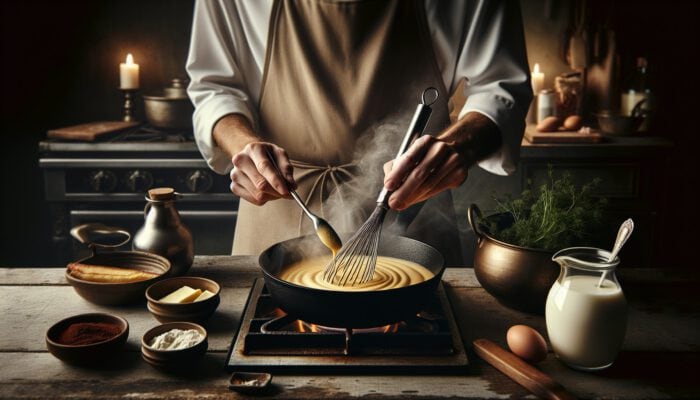
Mastering the incorporation of flour in roux preparation can significantly enhance your sauce-making skills. One advanced method is to gently heat the flour prior to introducing it to the fat. This technique, known as pre-toasting, allows the flour to develop a nutty flavour, enriching the overall taste of the sauce.
Maintaining the appropriate temperature is critical; the fat should be warm but not smoking, creating the ideal environment for the flour to cook evenly. Gradually whisk in the flour to avoid clumping, and continue stirring until the mixture achieves a smooth consistency. By closely monitoring the colour of the roux, you can create various flavour profiles—from a pale blonde roux, perfect for béchamel sauces, to a darker brown roux suited for hearty gumbo.
Additionally, using sifted flour can yield a finer texture, which is especially advantageous when crafting smooth sauces. Gradually incorporating the flour allows it to absorb moisture without forming lumps, ensuring a luxurious mouthfeel in your final sauces.
Experts recommend practising advanced techniques to further refine your skills. Over time, you will develop an instinct for the appropriate colour and consistency needed for various sauces, leading to a more confident and satisfying cooking experience.
Strategies for Selecting the Right Fats
When choosing fats for your roux, understanding the unique characteristics of each option can significantly elevate the quality of your sauce. While butter remains the gold standard due to its richness, incorporating clarified butter (ghee) can enhance the flavour while providing a higher smoke point during cooking.
Olive oil, with its fruity notes, is excellent for Mediterranean-inspired sauces, while coconut oil adds a hint of sweetness, making it ideal for tropical or Asian dishes. Consider the following characteristics when selecting fats:
- Smoke Point: High smoke point fats, like avocado oil, are suitable for high-heat cooking.
- Flavor Profile: Choose fats that complement the sauce; for example, bacon fat enriches gravies.
- Health Considerations: Olive and avocado oils are heart-healthy choices worth exploring.
- Texture Consistency: Butter contributes creaminess, while oils may yield a lighter result.
By adopting a thoughtful approach to fat selection, you can create sauces that not only thicken beautifully but also embody a rich tapestry of flavours. Remember, your ultimate goal is to complement—never overshadow—the other ingredients in your sauce.
Techniques for Evaluating Consistency

Expert knowledge can profoundly enhance the outcomes of your roux, particularly regarding achieving the ideal thickness. Monitoring the consistency of your roux during cooking is vital. Begin by observing the texture as you blend the flour and fat; it should form a paste that easily coats the back of a spoon.
To assess thickness, conduct the spoon test: dip a spoon into the roux and see how it clings. If it drips off quickly, it may require additional cooking time to reach the desired viscosity. This technique helps to identify any inconsistencies before incorporating the roux into your sauce.
Another key method involves using visual cues based on colour changes. A roux that has achieved the right stage will exhibit a silky appearance and a subtle sheen. As it cooks, slight shifts in colour can indicate the development of depth in flavour.
Understanding these checks not only helps to refine your technique but also instills confidence in your ability to produce consistent results in sauce preparation—ultimately enhancing your overall culinary repertoire.
What Are the Steps to Prepare Roux Effectively?
Initial Mixing Techniques for Successful Roux Creation
The foundation of any successful roux is the careful initial mixing of ingredients. Start by selecting your preferred fat and melting it over low heat in a saucepan. The aim is to create a smooth, even base without allowing the fat to smoke or burn. Once the fat has completely melted, gradually sprinkle in the flour while continuously whisking. This step is critical for preventing lumps from forming and ensuring flawless integration of the ingredients.
As you stir, maintain a watchful eye on the heat. A temperature that is too high can lead to burning, while one that is too low may result in a sluggish roux that fails to thicken effectively. The mixture should form a cohesive paste, thick enough to pull away from the pot’s sides. Stirring consistently at this stage is key; a steady motion will help cook the flour evenly, allowing it to absorb the fat and develop flavour.
Once the roux begins to bubble gently, you can cautiously increase the heat, but remain vigilant to avoid browning the mixture too rapidly. This initial mixing phase lays the groundwork for the roux’s transformation, and patience is essential. The longer you stir, the more complex the flavours will become, leading to a robust base for your sauces.
Guidelines for Optimal Cooking Time
The cooking time for roux can fluctuate depending on the desired outcome, but a general guideline is to cook the roux for three to five minutes for a blonde roux, while darker varieties may require ten to fifteen minutes. The longer you cook it, the deeper the flavour profile will develop, making it essential to balance timing with your desired taste.
During this cooking phase, the roux undergoes transformation, gradually changing colour from a pale cream to a rich golden hue. Achieving depth relies on constant stirring, which prevents the mixture from catching on the bottom of the pan and burning. As the roux cooks, you will begin to notice a nutty aroma as the flour toasts—a clear signal of progress.
For lighter sauces such as béchamel, aim for a brisk three minutes of cooking. In contrast, for hearty sauces like gumbo, allow for a longer cooking time to develop a richer colour and flavour. Always remember to adjust your expectations based on the sauce you’re preparing; the versatility of roux permits flexibility in timing, contingent on the desired end result.
Assessing Roux Readiness for Use
Recognising when your roux is ready for use is a vital skill that can significantly influence the quality of your sauce. Visual and textural cues are invaluable for determining doneness. One reliable indicator is the colour; a roux that has reached the appropriate stage will display a consistent hue throughout, whether it’s a pale blonde or a deep brown, depending on your target sauce.
Another method for testing roux readiness involves checking the texture. Dip a spoon into the roux and assess its consistency. It should be thick enough to coat the back of the spoon without running off too quickly. If it drips too easily, it may require additional cooking time.
Lastly, pay attention to the aroma; as the roux reaches the desired stage, it will emit a toasted, nutty fragrance that indicates proper cooking. By recognising these signs and practising regularly, you will confidently assess your roux’s readiness, ensuring it serves as an excellent base for your sauces.
Research-Backed Advantages of Creating Roux for Thick Sauces
Health Benefits of Incorporating Roux
Utilising roux in sauce preparation provides significant health benefits, primarily through its role in effectively binding ingredients. By incorporating flour into your sauce, you not only enhance texture but also boost the overall nutritional value of the dish. This aspect is particularly important in recipes designed to deliver balanced meals, as roux can help seamlessly unify various components, such as proteins and vegetables.
The process of creating a roux essentially facilitates the emulsification of fats and liquids, resulting in a healthier final product. For example, when crafting a cream sauce, substituting heavy cream with a lighter stock thickened by roux can reduce calorie content without sacrificing flavour. This approach encourages creativity in developing sauces that cater to dietary requirements while ensuring they remain delicious.
Moreover, roux serves as an excellent medium for incorporating a variety of herbs and spices, which can further enhance the nutritional value of sauces. By using spices known for their health benefits, such as turmeric or garlic, you can elevate your dish’s nutritional profile while simultaneously enhancing its overall flavour.
Techniques for Amplifying Flavour with Roux
Roux acts not only as a thickening agent but also as a powerful flavour enhancer in sauces. When prepared correctly, it introduces a depth that is often lacking in sauces made with cornstarch or other thickeners. To maximise flavour, consider employing the following techniques:
- Toasting the flour: Cook the flour longer to develop a nuttier taste, particularly for darker roux.
- Add aromatics: Introduce finely chopped onions, garlic, or shallots to the fat before adding the flour for a flavour boost.
- Use rich stocks: Incorporate homemade or high-quality stocks instead of water to infuse additional richness.
- Layer spices: Add spices gradually during the roux preparation to build layers of flavour.
These practices not only deepen the taste profile but also ensure that the sauce complements the main dish beautifully. The artistry of roux lies in its versatility; by adjusting the ingredients and techniques, you can create an array of sauces that tantalise the palate, making your culinary creations truly stand out.
Improving Texture with Roux
The reliability of roux in thickening sauces stems from its unique ability to produce a silky, smooth texture that enhances mouthfeel. This quality is particularly vital when preparing sauces intended to coat pasta, meats, or vegetables. The process of creating a roux facilitates an emulsion that combines fat and liquid, resulting in a stable mixture that does not easily separate.
To ensure smooth results, maintaining the correct temperature is crucial. A low and slow cooking approach allows the flour to fully hydrate and absorb the fat, leading to a more refined texture. As you incorporate the liquid into the roux, do so gradually while whisking continuously to prevent lumps from forming.
Practising these techniques will improve consistency across various recipes. For instance, when making a cheese sauce, the addition of roux creates a luscious, creamy texture that envelops the cheese, preventing it from clumping. This dependable thickening method distinguishes roux from other alternatives, making it a preferred choice for chefs worldwide.
What Tools Are Essential for Creating Roux?
Key Kitchen Equipment for Effective Roux Preparation
Having the right tools is crucial for successful roux preparation. A sturdy saucepan is essential, as it enables even heat distribution, preventing hotspots that can lead to burning. Opt for one with a heavy base for best results. A whisk is equally important, allowing you to efficiently combine flour and fat while promoting a smooth texture.
Additionally, a wooden spoon or silicone spatula can assist in stirring, providing control and preventing scratches on non-stick surfaces. A heat-resistant spoon is useful for tasting, allowing you to assess flavour as you cook. Having a measuring cup and spoon on hand will streamline the process, allowing for accurate ingredient ratios.
These tools lay the groundwork for good technique, enabling you to focus on perfecting your roux. Familiarity with your kitchen equipment will enhance your efficiency and comfort level, fostering a more enjoyable cooking experience, whether you’re a novice or a seasoned chef.
Alternative Utensils for Effective Roux Preparation
While specific kitchen tools are recommended for roux preparation, several alternatives can work just as effectively. If you don’t have a whisk, a fork can serve as a suitable substitute for mixing your flour and fat. While it may require slightly more effort, it can yield similar results.
In lieu of a whisk, a hand mixer can also be employed, especially when preparing a larger batch of roux. Just be cautious not to overmix, as the goal is to maintain a smooth yet cohesive texture.
If a saucepan isn’t available, a deep frying pan can also serve the purpose; just ensure it has a heavy base to avoid uneven cooking. Adaptability in the kitchen is key, and knowing how to substitute tools effectively will empower you to pursue your culinary creativity without limitations.
Effective Storage Solutions for Kitchen Tools
Proper storage of your kitchen utensils is critical for maintaining usability and longevity. Invest in a well-organised utensil holder or drawer to keep your whisk, spatula, and measuring cups easily accessible and tidy. Regularly clean your tools to prevent residue build-up, particularly for items that come into contact with fats, which can become rancid over time.
For non-stick pans, avoid using metal utensils that can scratch the surface; instead, opt for silicone or wooden options. This practice not only preserves your cookware but also creates a safe cooking environment.
When it comes to storing your roux, if you prepare it in batches, consider using airtight containers. Label them with the date to ensure freshness and store them in a cool, dry place. Following these guidelines will prolong the life of your kitchen tools and ensure they remain ready for your next sauce-making adventure.
Measuring Tools for Precision in Roux Preparation
Accurate measuring tools are fundamental to successful roux preparation, ensuring the right ratios of fat and flour. A set of measuring cups and spoons should be standard in any kitchen. Look for dry measuring cups for flour and liquid measuring cups for fats. Pay close attention to how you fill your measuring cups to avoid packing flour too tightly, which can lead to discrepancies in thickness.
Utilising a digital kitchen scale can enhance precision, particularly when working with larger quantities or intricate recipes. Weighing the exact amounts ensures consistency and removes the guesswork from the equation, making it easier for both beginners and experienced cooks to achieve desired results.
Incorporating these measuring tools into your routine can significantly reduce cooking errors, allowing for a more enjoyable and successful sauce-making experience. As you become more familiar with the tools and techniques, you’ll find that achieving the perfect roux becomes second nature.
Safety Equipment for Kitchen Use
Safety should always be a priority in the kitchen, especially when working with hot fats and liquids. Investing in heat-resistant gloves is essential for protecting your hands while handling pots on the stove, allowing you to manoeuvre without fear of burns. Additionally, a splatter guard can be beneficial during roux preparation, as it prevents hot fat from splattering and creating a mess.
Ensure that your work area is uncluttered to minimise the risk of accidents. This practice not only promotes safety but also enhances efficiency during cooking. Familiarise yourself with your kitchen layout, ensuring that your most-used tools are within easy reach while you prepare sauces.
Overall, prioritising safety can transform your cooking experience, enabling you to focus on mastering techniques without undue concern. By equipping yourself with the right safety tools, you create an environment that fosters creativity and confidence in the kitchen.
Reliable Strategies for Crafting Exceptional Roux for Thick Sauces
Effectively Layering Flavours in Your Roux
Incorporating aromatics into your roux can significantly elevate the overall flavour profile of your sauces. Begin by finely chopping ingredients such as onions, garlic, or shallots, and add them to the melted fat before introducing the flour. Sauté these aromatics gently until they become translucent, allowing their essential oils to infuse the fat and create a robust foundation for your sauce.
Once your aromatics become fragrant, gradually add the flour while continuing to whisk. This not only ensures a well-integrated roux but also allows the flavours to meld seamlessly. Experiment with herbs like thyme, rosemary, or spices such as paprika to enhance the taste even further. These additions create layers of complexity that enrich your sauce, making it more dynamic and appealing.
Another effective strategy is to introduce liquid ingredients later in the cooking process. This allows the roux to maintain its integrity while still absorbing flavours from stocks or wines, resulting in a well-rounded sauce. The key lies in timing; add the liquid gradually after achieving the desired roux colour, ensuring that all components harmonise beautifully.
Adjusting Roux Thickness on Demand
Experience plays a significant role in adjusting the thickness of your roux mid-process. If you find that your sauce is too thick, simply whisk in a small amount of additional liquid, such as stock or wine, until the desired consistency is achieved. This method allows for flexibility in recipe execution, accommodating variations in ingredient moisture content.
Conversely, if your sauce is too thin, you can create a slurry by mixing a small amount of flour with cold water, then gradually whisking it into the simmering sauce. This technique ensures that you don’t end up with lumps while assisting in thickening the sauce further.
Understanding how to modify your roux in real-time will boost your confidence in the kitchen. Practising these adjustments will help you develop an instinct for the ideal texture, allowing you to adapt recipes according to personal preference or dietary restrictions effortlessly.
Scaling Roux for Larger Batches
When preparing larger quantities of roux, it is essential to maintain the same ratios to ensure quality is not compromised. For every cup of fat, use an equal amount of flour; this consistency is crucial, especially when creating sauces for gatherings or events.
Consider using a larger pot or pan to accommodate the increased volume, allowing for even cooking. Stirring becomes even more critical in larger batches to prevent burning and ensure that the roux cooks uniformly throughout.
Utilising a larger whisk or a hand mixer can expedite the mixing process, making it easier to incorporate ingredients without excessive effort. Additionally, scaling up may require longer cooking times for darker roux, so keep a close eye on colour and aroma to gauge readiness.
These techniques will enable you to confidently prepare larger batches of roux, ensuring that your sauces maintain their flavour and texture, regardless of the scale.
Mastering Roux Cooking Techniques
Mastering roux cooking techniques involves understanding heat management and the process of stirring to achieve an impeccable finish. Start by melting your fat over medium-low heat, allowing it to warm gradually without reaching a smoke point. This gentle approach ensures that the flour can incorporate smoothly without clumping or burning.
When adding flour, whisk continuously to prevent any lumps from forming. The motion should be firm yet fluid, encouraging even distribution. As the roux cooks, pay attention to colour changes; a blonde roux will take only a few minutes, while a darker roux requires patience and constant stirring for up to fifteen minutes.
Common pitfalls to avoid include overheating the roux, which can lead to a bitter taste, and neglecting to whisk, which can result in dangerous clumping. By mastering the art of stirring and temperature control, you can create a flawless roux every time, resulting in sauces that boast a silky texture and rich depth of flavour.
Troubleshooting Common Roux Issues
Identifying and resolving roux issues is an invaluable skill in the kitchen. If you encounter lumps, try whisking vigorously to break them down; if that fails, consider using a blender or immersion mixer to achieve a smooth consistency.
If your roux turns out too thick, gradually add liquid while whisking to loosen it. Conversely, if it’s too thin, create a slurry with flour and cold water, incorporating it slowly into the sauce for adjustment.
Another common issue is burning. If you notice a burnt smell or dark bits, you may need to start over, as burnt roux can impart an unpleasant flavour to the sauce. Awareness of these potential pitfalls, coupled with strategies for quick fixes, will enhance your roux-making skills, ensuring that your sauces remain high quality and delicious every time.
How to Effectively Use Roux in Your Sauces?
Seamless Integration of Roux into Your Recipes
Integrating roux into your recipes for thickening is an art that requires precision and timing. Once your roux has reached the desired colour and consistency, gradually pour in your chosen liquid—this could be stock, milk, or cream—while whisking continuously. This step ensures that the liquid incorporates smoothly into the roux without forming lumps.
As you pour, monitor the sauce’s thickness; if it appears too thick, add a bit more liquid until you achieve the desired consistency. Remember to allow the sauce to simmer gently, as this will enable the flavours to meld while further thickening.
Timing is crucial; add the roux to your sauce base at the right moment to ensure that it provides the best thickening effects. For instance, if making a cheese sauce, incorporate the roux into the warm milk gradually, allowing it to thicken before adding the cheese. This technique will yield a creamy, smooth texture that is indispensable for pasta dishes or casseroles.
Adapting Roux for Various Types of Sauces
Roux-based sauces are incredibly versatile, and adapting them to suit your culinary needs is straightforward. For creamy sauces, like a classic béchamel, use milk as the primary liquid, incorporating grated cheese for a rich cheese sauce.
Alternatively, for hearty sauces such as gravy, use meat stock or broth, whisking in pan drippings for depth. When crafting a spicy sauce, consider adding heat with diced chilis or hot sauce to your roux before incorporating liquid.
Experiment with various liquids and flavourings to create custom sauces that fit a variety of dishes. This adaptability allows you to tailor each sauce to the specific cuisine you’re creating, ensuring that your dishes stand out and cater to diverse tastes.
Final Blending Techniques for Roux-Based Sauces
Finishing touches are essential in achieving the perfect roux-based sauce. Once your sauce has thickened to your liking, consider a gentle simmer to meld the flavours further. If you’re looking to enhance the texture, whisk in a small pat of cold butter right before serving, adding gloss and richness to the sauce.
If you desire a smoother finish, you can blend the sauce using an immersion blender or stand blender, providing an ultra-smooth texture ideal for fine dining presentations.
Common adjustments at this stage may include seasoning to taste—salt, pepper, or fresh herbs can dramatically alter the flavour profile. Additionally, consider adding a splash of vinegar or lemon juice for brightness, enhancing the overall appeal of your sauce.
These final blending techniques will allow you to elevate your roux-based sauces, ensuring they are not only delicious but also visually appealing on the plate.
Essential Tips for Mastering the Art of Roux
Regular Practice Routines for Roux Mastery
Developing a routine for practising roux skills can significantly enhance your sauce-making abilities. Start by committing to making a basic roux weekly, focusing on refining your technique each time. Explore different flour types and fats to gain a deeper understanding of how each variable affects the final outcome.
To build confidence, consider preparing a series of sauces that utilise roux as a base, such as gravies, cheese sauces, or creamy soups. By replicating these recipes, you’ll develop muscle memory and a keen eye for achieving the right colour and consistency.
Incorporate feedback sessions by tasting your sauces and noting areas for improvement. Over time, this routine will lead to significant advancements in your mastery of roux, allowing you to create standout sauces effortlessly.
Troubleshooting Common Roux Issues
Quickly addressing common roux issues can help maintain sauce quality and prevent frustration. If you encounter lumps in your roux, a vigorous whisking can often break them down; if that fails, consider blending for a smooth consistency.
If your roux appears too thick, gradually whisk in more liquid, and if it’s too thin, a quick slurry can help adjust it. Should you accidentally burn your roux, it’s best to start anew, as the burnt taste can taint your sauce.
By becoming familiar with these troubleshooting techniques, you’ll build confidence in your ability to manage any issues that arise during roux preparation, ensuring a smoother cooking experience.
Proper Storage of Prepared Roux
Proper storage of prepared roux is essential for maintaining its effectiveness for future use. Allow the roux to cool completely before transferring it to an airtight container. It can be stored in the refrigerator for up to a week or frozen for up to three months.
For freezing, consider portioning the roux into ice cube trays. This method enables you to thaw only the amount you need for quick use in sauces, avoiding waste.
When ready to use, gently reheat the roux on the stove, whisking to restore its smooth texture before incorporating it into your sauce. Following these storage practices will ensure your roux remains fresh and ready for action whenever you need it, making sauce preparation a breeze.
Frequently Asked Questions (FAQs)
What is a roux and what purpose does it serve in sauces?
A roux is a mixture of flour and fat, typically butter, used as a thickening agent in sauces. It creates a smooth texture and helps bind ingredients, enhancing the overall flavour of the sauce.
How long can I store roux in the refrigerator?
Prepared roux can be stored in the refrigerator for up to one week. Ensure it is in an airtight container to maintain freshness.
Can I make roux using gluten-free flour?
Yes, gluten-free flours such as almond or rice flour can be used to create roux. However, the texture and thickening properties may differ compared to standard flour.
What are the different types of roux?
There are three main types of roux: white (cooked briefly), blonde (cooked until lightly golden), and brown (cooked longer for a dark colour). Each type serves different culinary purposes.
How do I avoid lumps in my roux?
To prevent lumps, whisk the flour into the fat gradually and ensure it is well combined before adding any liquid. Continuous stirring is crucial for achieving a smooth mixture.
Can I use olive oil instead of butter for my roux?
Yes, you can substitute olive oil or other fats, such as coconut or ghee, in place of butter. Each option will slightly alter the flavour and texture of the resulting sauce.
What is the ideal ratio of flour to fat for roux?
The classic ratio for roux is equal parts flour and fat by weight. This balance helps achieve consistent thickness in sauces.
How do I know when my roux is ready?
A roux is ready when it reaches the desired colour—pale for white roux, golden for blonde, and dark brown for brown roux—accompanied by a nutty aroma, indicating its toastiness.
Can I freeze prepared roux?
Yes, roux can be frozen. Pour it into ice cube trays or airtight containers and freeze for up to three months for later use in sauces.
What sauces can I create using roux?
Roux can be used to thicken a variety of sauces, including béchamel, gravy, cheese sauces, and creamy soups, making it a versatile base for many dishes.
Connect with us on Facebook!
The post How to Make a Roux for Thick Sauces: A Simple Guide appeared first on https://cookinggods.com
The Article Roux for Thick Sauces: A Simple Guide to Perfection Was Found On https://limitsofstrategy.com